

Gold vs Silver Engagement Ring: How to Choose the Right One
Picking between a gold or silver engagement ring comes down to a few key factors: how it looks, how long it lasts, and how much it costs. Gold offers more durability and long-term value, while silver gives you a similar look for a lower price. Both metals have their own strengths, and the right choice depends on your daily habits and budget.
We know this decision can feel like a big one. A ring is something you'll wear every day for years, so it needs to hold up to real life. In this guide, we break down the differences between gold and silver so you can pick a metal that fits your style and your wallet.
We'll also cover how each metal pairs with different stones and settings, plus tips for keeping your ring looking its best over time.
Key Takeaways
- Gold and silver differ in price, durability, and how they hold up over time.
- Your daily activities and long-term budget should guide which metal you pick.
- The metal you choose also affects which stones and settings will work best.
Key Differences Between Gold And Silver
Gold and silver differ in makeup, color, and how they feel on the hand. These differences affect price, durability, and daily comfort.
Metal Composition And Purity
Pure gold is too soft for daily wear. We mix it with other metals like copper, zinc, or nickel to make it stronger.
This mix creates karats. 24k gold is pure but soft. 18k, 14k, and 10k gold contain less gold and more alloy, making them harder and more affordable.
Silver used in rings is almost always sterling silver. This means it contains 92.5% silver and 7.5% other metals, usually copper.
Pure silver, like pure gold, bends and scratches too easily for a ring you wear every day. Sterling silver strikes a balance between softness and strength.
| Metal | Common Purity | Alloy Metals Used |
|---|---|---|
| Gold | 24k, 18k, 14k, 10k | Copper, zinc, nickel |
| Silver | Sterling (92.5%) | Copper |
Color And Visual Appeal
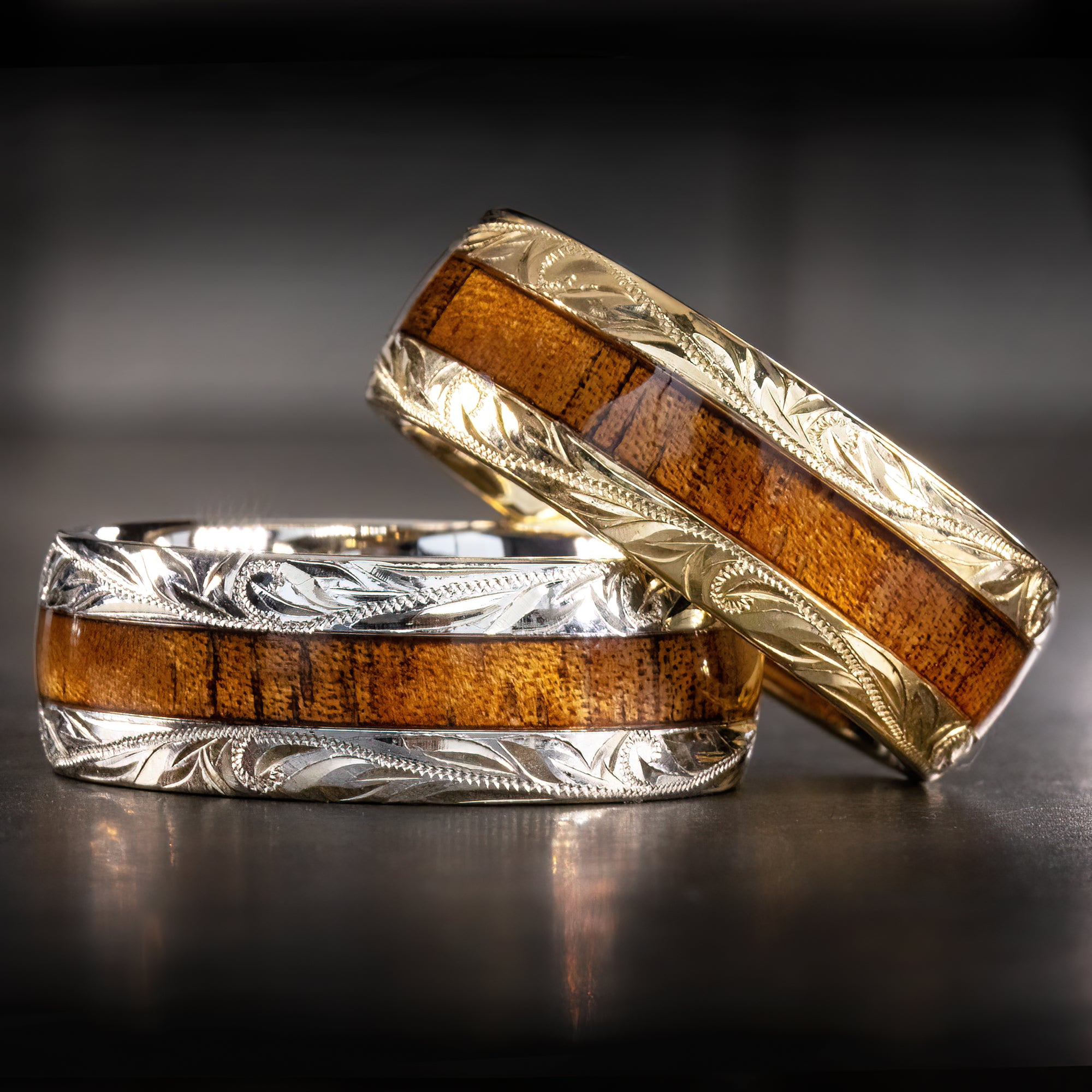
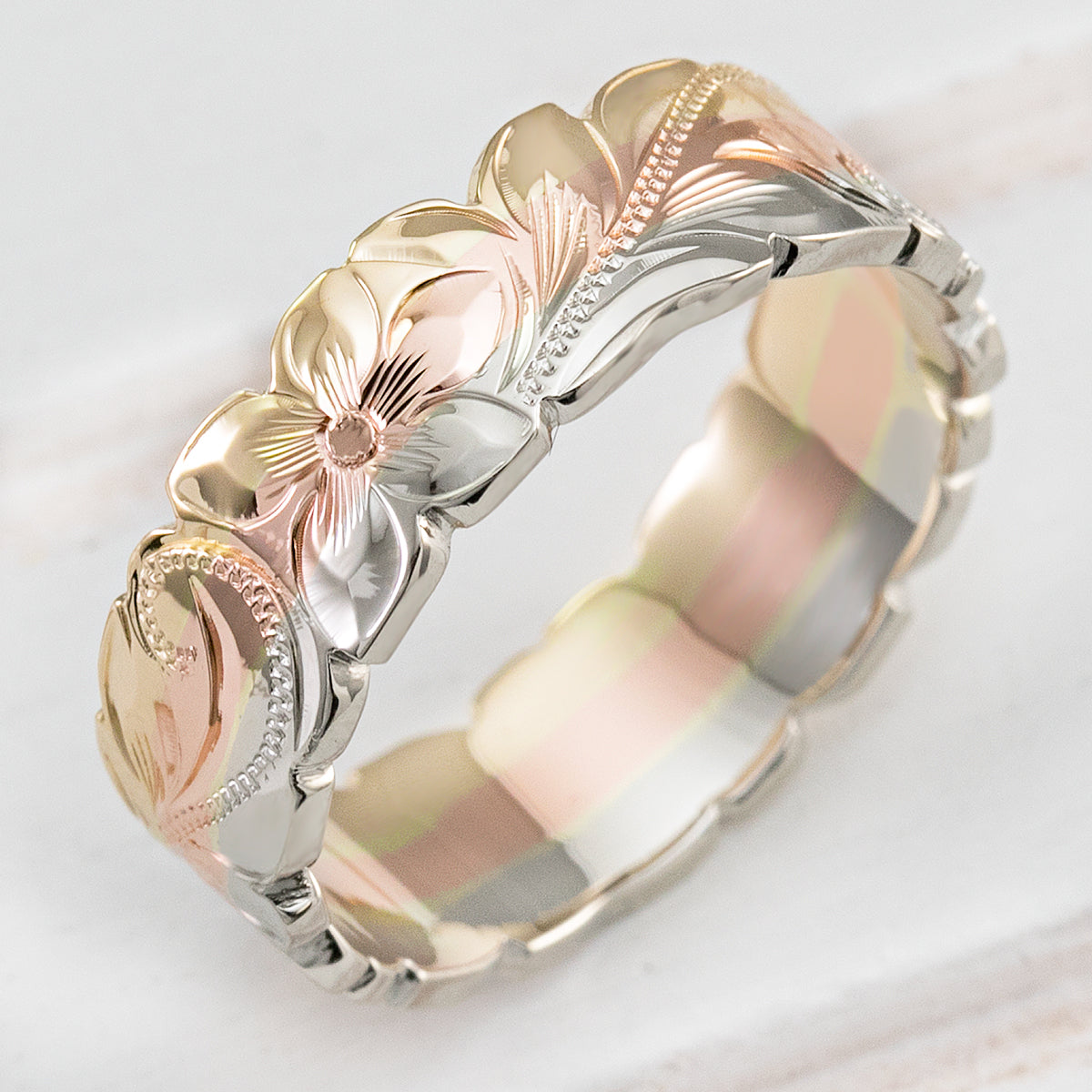
Gold comes in three main colors: yellow, white, and rose. Yellow gold has a warm, classic look. White gold is coated with rhodium for a bright, silvery shine. Rose gold has a pink tint from added copper.
Silver has one main look. It has a cool, bright white shine that many people connect with a modern or minimalist style.
Both metals pair well with diamonds and other gemstones. Gold tends to stand out more against darker skin tones, while silver often blends well with lighter or cooler skin tones. Personal taste plays the biggest role here.
Weight And Feel
Gold feels heavier than silver. This is because gold is a denser metal.
A heavier ring can feel more solid and substantial on the hand. Some people like this weight because it feels more valuable.
Silver rings feel lighter. This can make them more comfortable for people who are not used to wearing rings or who prefer a barely-there feel.
Neither weight is better than the other. It comes down to what feels most comfortable for daily wear.

Durability For Everyday Wear
An engagement ring gets worn almost every day, so it needs to hold up against bumps, water, and daily tasks. We break down how gold and silver perform in three key areas: scratches, tarnish, and upkeep.
Scratch And Dent Resistance
Gold is harder than pure silver, but the number that matters most is karat. We recommend 14K or 18K gold for daily wear because it mixes pure gold with stronger metals like copper or zinc.
Pure silver is soft and dents easily, which is why most silver rings are actually sterling silver, a blend of 92.5% silver and 7.5% other metals. Even sterling silver scratches more easily than gold alloys.
Here's a quick comparison:
| Metal Type | Hardness Level | Best For |
|---|---|---|
| 24K Gold | Very soft | Not recommended for rings |
| 18K Gold | Moderate | Daily wear with care |
| 14K Gold | Harder | Active lifestyles |
| Sterling Silver | Soft | Occasional wear |
We suggest 14K gold for anyone who works with their hands often or has an active routine.
Tarnish And Corrosion
Silver reacts to air and moisture, causing it to tarnish over time. This shows up as a dull, sometimes yellow or black film on the surface.
Gold does not tarnish. It resists corrosion because it doesn't react with oxygen or most chemicals.
This makes gold a better choice for rings worn in water, during workouts, or around household cleaners. We've seen sterling silver rings tarnish within weeks if exposed to lotion, perfume, or sweat regularly.
Higher karat gold, like 18K, holds up even better than lower karats because it contains more pure gold and fewer reactive metals.
Maintenance Requirements
Silver rings need more frequent cleaning to manage tarnish. We recommend polishing sterling silver every one to two weeks if it's worn daily.
Gold requires less maintenance overall. A simple cleaning with mild soap and warm water every few weeks keeps it looking bright.
Here's what regular care looks like for each metal:
- Silver: Polish weekly, store in an airtight bag, avoid exposure to chlorine and sulfur-based products
- Gold: Clean monthly, check prongs yearly, avoid harsh chemicals but no special storage needed
We find that gold saves time and effort for people who don't want to think about their ring's upkeep. Silver can still work well, but it demands more attention to stay looking new.


Cost And Long-Term Value
Price is often the deciding factor when we compare gold and silver engagement rings. Beyond the sticker price, we also need to think about how each metal holds up over time and what it costs to keep it looking good.
Upfront Price Considerations
Silver is the cheaper option upfront. A sterling silver ring can cost a fraction of what a gold ring costs, making it appealing if we're on a tight budget.
Gold prices depend on karat weight. Here's a quick breakdown:
- 10K gold: Lower gold content, more affordable, still durable
- 14K gold: A common middle ground for engagement rings
- 18K gold: Higher gold content, richer color, higher price
- 925 sterling silver: Lowest cost, but softer and less durable
We should also factor in gold's market price, which changes daily. This means the same ring style can cost more or less depending on when we buy it.
Resale Value And Market Stability
Gold holds its value better than silver over time. This is because gold is rarer and has steady demand in the jewelry and investment markets.
Silver's resale value tends to be lower. Its market price is also more likely to swing up and down, which can make it a less predictable choice if we're thinking about resale down the road.
If long-term value matters to us, gold is generally the safer bet. Jewelers and buyers are also more likely to offer fair prices for gold pieces compared to silver ones.
Repair And Replacement Costs
Silver tarnishes faster than gold and often needs more frequent cleaning and polishing. Over time, these small maintenance costs can add up.
Gold resists tarnishing and holds its shape better, which usually means fewer trips to the jeweler. However, repair costs for gold can be higher per visit since the metal itself costs more.
We should also consider replacement costs if a ring is lost or damaged beyond repair. Because gold rings cost more to begin with, replacing one will almost always cost more than replacing a silver ring.

Choosing A Metal For Your Lifestyle
The right metal depends on how we live, work, and take care of our jewelry every day. Our daily habits, skin type, and existing pieces all play a role in this choice.
Work And Activity Level
We need to think about what our hands do all day. If we work with our hands a lot, use tools, or play sports, gold is the better pick.
Gold, especially 14K or 18K, resists scratches and dents better than silver. Silver is a soft metal, and it can bend or wear down faster with rough use.
Here's a quick breakdown:
- Desk job or light activity: Both metals work fine
- Active job or hands-on work: Gold holds up better
- Frequent hand washing: Gold resists tarnish; silver needs more upkeep
- Sports or gym use: Gold is more durable for daily impact
If we take our ring off during rough tasks, silver can still be an option. But for everyday wear without much thought, gold gives us more peace of mind.
Skin Sensitivity And Allergies
Our skin type matters just as much as our lifestyle. Some people have reactions to certain metals, and this can affect comfort and health.
Sterling silver contains other metals mixed in, like copper. This can cause skin irritation for some of us, especially with long-term wear.
Gold, particularly higher karat gold like 18K, has less mixed-in metal and causes fewer reactions. If we have sensitive skin or known allergies, we should look for hypoallergenic options.
Signs of a metal allergy include:
- Redness under the ring
- Itching or rash
- Skin discoloration
- Swelling around the finger
If we're not sure about our sensitivity, we can ask a jeweler for a patch test. This helps us avoid discomfort after buying the ring.
Matching Existing Jewelry
We often wear other jewelry every day, like watches, bracelets, or other rings. It helps to think about what we already own before picking a metal.
Mixing gold and silver isn't a problem anymore. Many people mix metals on purpose for a modern look.
But if we prefer a matching, uniform style, we should choose an engagement ring that fits our current collection. For example:
- Mostly gold jewelry: Pick a gold ring to match
- Mostly silver or white metals: Choose silver or white gold
- Mixed metal wearers: Either metal works, since mixing is common now
We should also think about wedding bands. If we plan to wear a matching set, it makes sense to pick the engagement ring metal first, then match the band to it later.

Setting, Stone, And Design Compatibility
The metal you pick affects how well certain stones and settings work. We look at how gold and silver perform with different gems, styles, and metal combinations.
Diamond And Gemstone Pairings
We find that white gold and platinum-look silver both make diamonds look bright and clean. Yellow gold gives diamonds a warmer glow, which some people prefer.
Colored gemstones react differently to each metal. Here's a quick guide:
- Emeralds and sapphires: Look striking against white metals like silver or white gold.
- Rubies and garnets: Pair well with yellow or rose gold for a warm contrast.
- Opals and pearls: Work with either metal, but silver keeps the look soft and subtle.
Silver is softer than gold. This means prongs made of silver may need more frequent checks if the ring holds a large stone.
Popular Ring Styles
We see solitaire settings work well in both metals, but the finish changes the mood. Gold solitaires often look classic. Silver solitaires look modern and simple.
Halo settings need strong prongs to hold small stones in place. Gold, especially in 14k or 18k form, tends to hold up better under daily wear in this style.
Vintage and filigree designs often use gold because of its history in older jewelry. Silver can copy this look, but it may wear down faster with detailed metalwork.
Three-stone rings and pavé bands work in either metal. The choice often comes down to skin tone and personal style rather than durability.
Mixed-Metal Design Options
We often see couples combine metals for a unique look. A silver engagement ring paired with a gold wedding band is common, but it needs some planning.
Mixing metals can cause problems over time. Gold is harder than silver, so the softer metal may show scratches faster when the two rings rub together daily.
Some jewelers suggest a few fixes:
- Spacer rings: A thin band placed between the two rings to reduce friction.
- Rhodium plating: Adds a hard, shiny layer to silver to help it resist scratches.
- Two-tone bands: One ring made with both gold and silver, so there's no mismatch at all.
We think mixed-metal styles can look great, but they do need more upkeep than matching metal sets.