
Engagement Ring vs Wedding Ring: Key Differences Explained
Getting engaged or planning a wedding often means facing a question we hear all the time: what's the real difference between an engagement ring and a wedding ring? An engagement ring is given when someone proposes marriage, while a wedding ring is exchanged during the wedding ceremony to represent the marriage itself. They serve different purposes, but many people wear both together every day.
We know choosing rings can feel confusing, especially with so many styles, price points, and traditions to think about. In this article, we break down what sets these two rings apart, from their design and meaning to how and when they're worn. We also cover budgeting tips and how to pick a combination that fits your style and life together.
Whether you're shopping for a proposal or planning your wedding day look, understanding these differences helps you make choices that feel right for you.
Key Takeaways
- Engagement rings and wedding rings each have their own meaning and are given at different points in a relationship.
- Ring style, timing, and how they're worn together often follow long-standing customs, though couples can adjust these to fit their preferences.
- Setting a budget and thinking about how the rings will look together can help you choose the right combination for your needs.

Core Definitions And Traditional Roles
An engagement ring and a wedding ring each mark a different moment in a relationship. We break down what each ring means, when it's given, and how couples wear them together.
Purpose Of An Engagement Ring
We give an engagement ring at the moment someone proposes marriage. It marks a promise between two people to get married in the future.
The ring often features a diamond or another gemstone as its main focus. This makes it stand out and gives it a sense of celebration.
Most couples buy the engagement ring before the wedding takes place. In many cases, one partner picks it out and presents it during the proposal.
The engagement ring usually costs more than the wedding ring. We see it as a symbol of the commitment to marry, not the marriage itself.
Purpose Of A Wedding Ring
We exchange wedding rings during the marriage ceremony itself. Both partners typically give and receive one at this time.
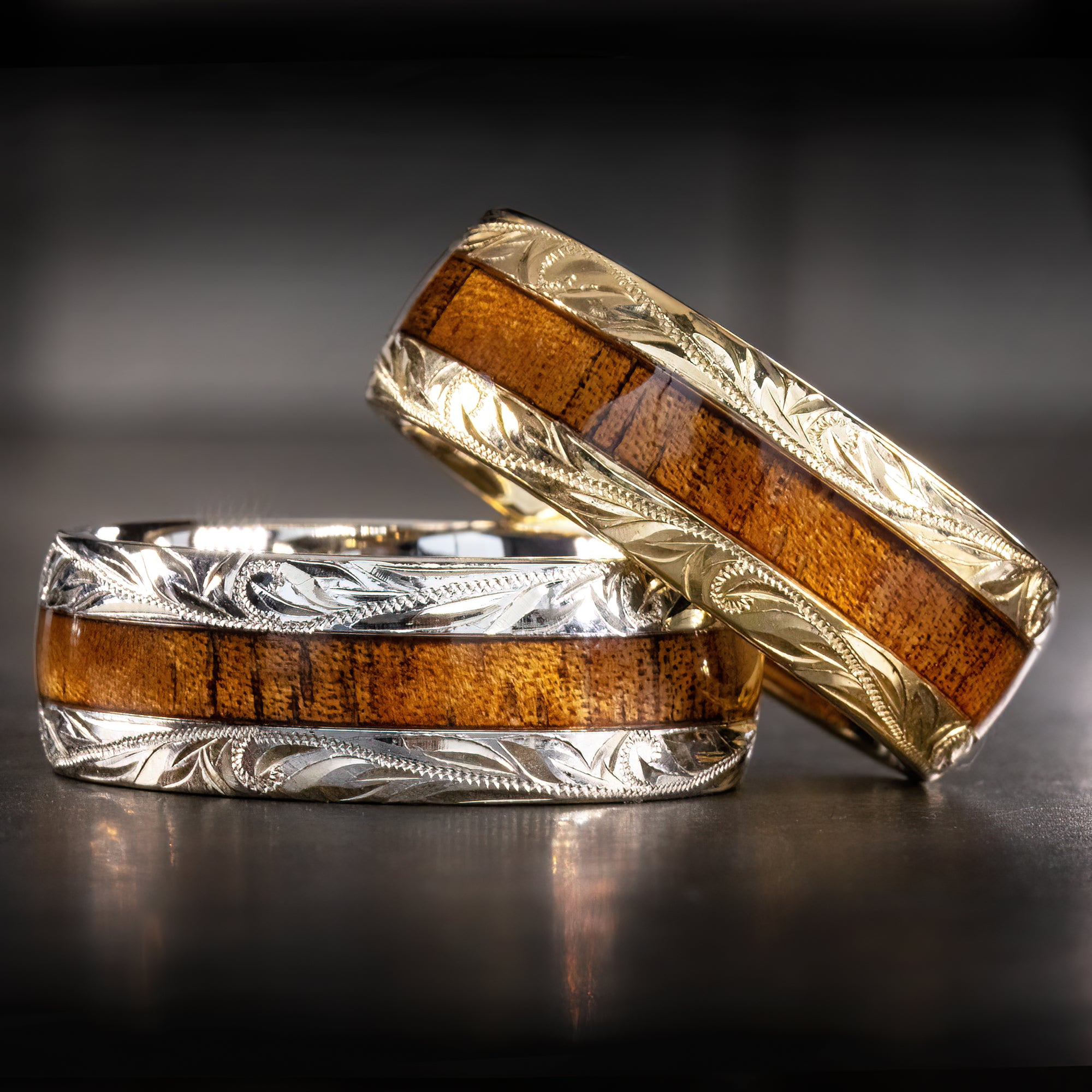
This ring represents the official act of getting married. It's simpler in design compared to the engagement ring, often a plain metal band without stones.
Wedding rings tend to cost less than engagement rings. We see this ring as the true symbol of marriage, since it's given as part of the ceremony that makes the union legal.
Both partners usually wear a wedding ring, unlike the engagement ring, which is traditionally given to only one person in the couple.
How The Two Rings Are Typically Worn
We place both rings on the same finger, usually the fourth finger of the left hand. Here's the common order:
- Wedding ring first: Slide the wedding ring on closer to the heart, or bottom of the finger.
- Engagement ring second: Place the engagement ring on top, closer to the fingertip.
Some couples choose to wear the engagement ring below the wedding band instead. There's no single correct way to do this, and preferences vary by culture and personal taste.
Many people also switch to wearing only their wedding ring for daily activities. They save the engagement ring for special occasions to protect it from damage.

Design Features And Style Choices
Engagement rings and wedding rings differ in almost every design element, from the stones they carry to the shape of the band. We break down the key style choices below so you can pick pieces that fit your taste and work well together.
Center Stones And Settings
An engagement ring almost always has a center stone. This is usually a diamond, but sapphires, emeralds, and other gems work too.
We see prong settings most often, since they lift the stone up and let more light hit it. Bezel settings wrap metal around the stone edge, which offers more protection during daily wear.
Wedding rings rarely have a large center stone. Most are plain metal bands, though some include small accent diamonds set flush into the band.
Here's a quick comparison:
| Feature | Engagement Ring | Wedding Ring |
|---|---|---|
| Center stone | Yes, usually large | Rare or absent |
| Setting style | Prong, bezel, halo | Flat or channel-set accents |
| Focus | Visual statement | Simple, understated |
Band Profiles And Metal Options
Band profile refers to the shape of the metal when you look at it from the side. Engagement rings often use thinner, more detailed bands so the center stone gets full attention.
Wedding bands come in more shapes, including flat, court (rounded on the inside and outside), and D-shape profiles. We recommend trying on a few shapes, since comfort varies a lot from person to person.
Metal choice matters just as much as shape. Common options include:
- Platinum – durable and naturally white, but pricier
- White gold – similar look to platinum, needs occasional replating
- Yellow gold – classic warm tone, holds color well over time
- Rose gold – pink tint from copper content, grows more popular each year
We suggest matching metals between the two rings, since mixed metals can wear unevenly against each other.
Matching And Coordinating Sets
Many couples buy engagement rings and wedding bands as matched sets. This means the wedding band is shaped to fit snugly against the engagement ring, often with a curve cut to hug the center stone.
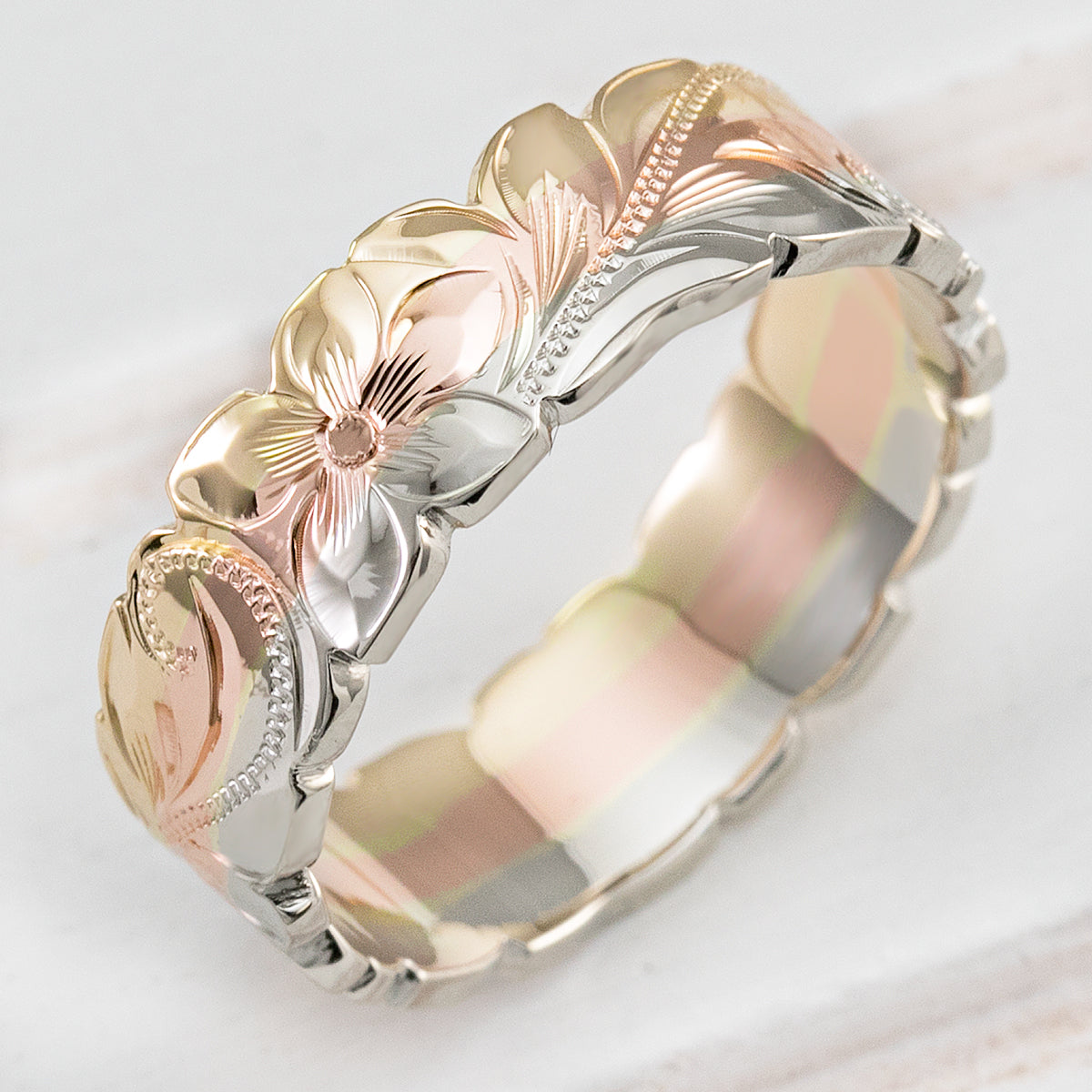
Coordinating couples rings sets don't have to match exactly. Some people prefer contrast, such as pairing a rose gold engagement ring with a white gold wedding band.
We've found that buying both rings from the same jeweler or collection makes fit easier to manage. If you buy separately, bring the engagement ring along when shopping for the wedding band to test how they sit together on the finger.

Timing, Exchange, And Ceremony Customs
The two rings mark different moments in a relationship. One is given during a private proposal, and the other becomes part of the public ceremony when a couple marries.
When An Engagement Ring Is Given
We see engagement rings given at the moment of a proposal. This happens before the wedding, sometimes months or even years ahead.
One partner presents the ring to ask the other to marry them. There is no ceremony required for this moment. It can happen at home, on a trip, or anywhere the couple chooses.
The engagement ring usually stays on the same finger from that day forward. Many people wear it alone until the wedding day. It signals that the couple is planning to marry, but they are not yet legally wed.
When Wedding Bands Are Exchanged
We exchange wedding bands during the wedding ceremony itself. This exchange is one of the most important parts of the event.
Couples often say vows and place the rings on each other's fingers in front of family and friends. This act represents the marriage becoming official. In many ceremonies, an officiant asks each partner to give their vow while holding the ring.
After the ceremony, most people wear the wedding band and engagement ring together. The wedding band usually sits closer to the hand, with the engagement ring stacked on top. This makes the wedding band the one worn every day, since it fits closer to the base of the finger.
Cultural And Regional Variations
Ring customs are not the same everywhere. Some traditions add extra steps or different meanings to the exchange.
- Western countries: Engagement ring given at proposal, wedding band exchanged at the ceremony.
- Malay weddings: A ring exchange often happens during the akad nikah, the solemnization event, as part of a larger gift exchange called hantaran.
- Some European countries: Couples wear the engagement ring on the right hand and move it to the left after marriage.
- Orthodox Christian weddings: Rings may be blessed and exchanged multiple times during the ceremony as a symbolic act.
These differences show that ring customs depend on culture, religion, and family tradition. We recommend couples ask about specific customs tied to their background before planning their ceremony.

Budgeting And Purchasing Considerations
Setting a budget for both rings takes some planning. We need to think about total cost, how we buy the rings, and how we protect them once we own them.
Allocating Spend Between Both Rings
We don't need to follow the old rule about spending two or three months' salary on an engagement ring. That idea came from diamond marketing, not from any real financial guideline.
Instead, we should look at our full wedding budget and decide what feels right for us. Engagement rings often cost more than wedding bands, since they usually feature a larger center stone.
Here's a common way to split the budget:
- Engagement ring: 60-70% of total ring budget
- Wedding bands (both partners): 30-40% of total ring budget
We can also flip this. Some couples choose a simple engagement ring and put more money into matching wedding bands. The split depends on our priorities, not a fixed formula.
Buying Rings Together Or Separately
We can buy both rings at the same time or space out the purchases. Each choice has benefits.
Buying together often saves money. Many jewelers offer discounts on bridal sets, which include the engagement ring and one or both wedding bands.
Buying separately gives us more flexibility. We can choose the wedding band after seeing how it looks next to the engagement ring. This helps us pick metals and styles that match well.
| Approach | Benefit |
|---|---|
| Buy together | Possible bundle discount, matching set |
| Buy separately | More time to compare styles, less upfront cost |
If we're on a tight timeline before the wedding, buying together saves us a step. If we want to compare options carefully, separate purchases make more sense.
Resizing, Insurance, And Long-Term Care
Rings need upkeep after we buy them. Resizing is common, since fingers can change size due to weather, weight changes, or age.
We should ask the jeweler about resizing policies before we buy. Some offer free or discounted resizing within the first year.
Insurance protects us if a ring is lost, stolen, or damaged. We can add rings to a homeowner's or renter's policy, or buy a standalone jewelry insurance plan.
Basic care matters too. We should:
- Clean rings regularly with mild soap and water
- Get prongs checked yearly to prevent loose stones
- Remove rings during heavy labor or exercise
- Store rings in a soft pouch or lined box when not worn
These steps help both rings last for decades, not just years.
Choosing The Right Ring Combination


Picking the right rings comes down to three things: how the rings look together, how they feel on our hand every day, and whether we want to follow tradition or try something different. Let's walk through each of these so we can make a choice that fits our life.
Prioritizing Personal Style
Our rings should match how we already dress and what we like to wear. If we lean toward simple, clean looks, a thin band paired with a solitaire engagement ring often works best.
If we prefer bold or detailed jewelry, we might choose rings with more texture, like milgrain edges or a curved band that hugs the engagement ring's shape.
Here are a few style pairings to think about:
- Classic look: plain metal band with a solitaire diamond
- Vintage look: engraved band with a halo-style engagement ring
- Modern look: geometric band paired with a unique stone shape
We don't need to match metals exactly, but keeping the same metal color, like all white gold or all yellow gold, tends to look more put together.
Balancing Comfort And Daily Wear
Since we wear these rings every day, comfort matters as much as looks. A wedding band that sits flush against an engagement ring with a raised setting can rub or feel bulky over time.
Curved or contoured bands are made to fit snugly next to engagement rings that have a raised stone. This prevents gaps and keeps both rings from spinning around our finger.
We should also think about our daily routine. If we work with our hands often, a lower-profile setting reduces the risk of snagging or damage.
Ring width matters too. Wider bands can feel more secure, but they may feel heavy after a full day of wear.
Alternatives To Traditional Pairings
We don't have to follow the standard engagement ring and wedding band combo. Many of us now choose a single ring that serves both purposes, which can feel simpler and less crowded on the finger.
Some other options include:
- Stacking multiple thin bands instead of one thick wedding ring
- Wearing the engagement ring on a necklace during work or activities, then combining it with the wedding band for special occasions
- Choosing matching ring sets designed together from the start, so fit and style are already coordinated
These options give us more flexibility, especially if traditional stacking doesn't match our comfort needs or personal taste.