


Gold vs Platinum: The Complete Guide
Gold and platinum are both stunning precious metals, but they have key differences that affect their price, durability, and appearance. Platinum is naturally white and denser, making it heavier and more durable for everyday wear. Gold comes in different colors like yellow, white, and rose, and costs less per ounce in most cases. Both metals have unique benefits depending on what matters most to you.
We'll walk you through everything you need to know about these precious metals, from their physical properties to their market value and care requirements. Visit our platinum and gold collections to find your perfect match that fits your style and budget.
Key Takeaways
- Gold offers more color variety and affordability, while platinum provides a naturally white appearance and superior scratch resistance
- Both metals require different care approaches, with platinum developing a patina over time and gold needing regular polishing to maintain its shine
- Platinum is rarer and more durable than gold, but gold currently trades at higher prices in the market

Physical Characteristics and Appearance
Gold displays a warm yellow color while platinum shows a cool white-silver tone, making them visually distinct from each other. Platinum weighs significantly more than gold and requires different purity standards in jewelry production.
Color and Luster
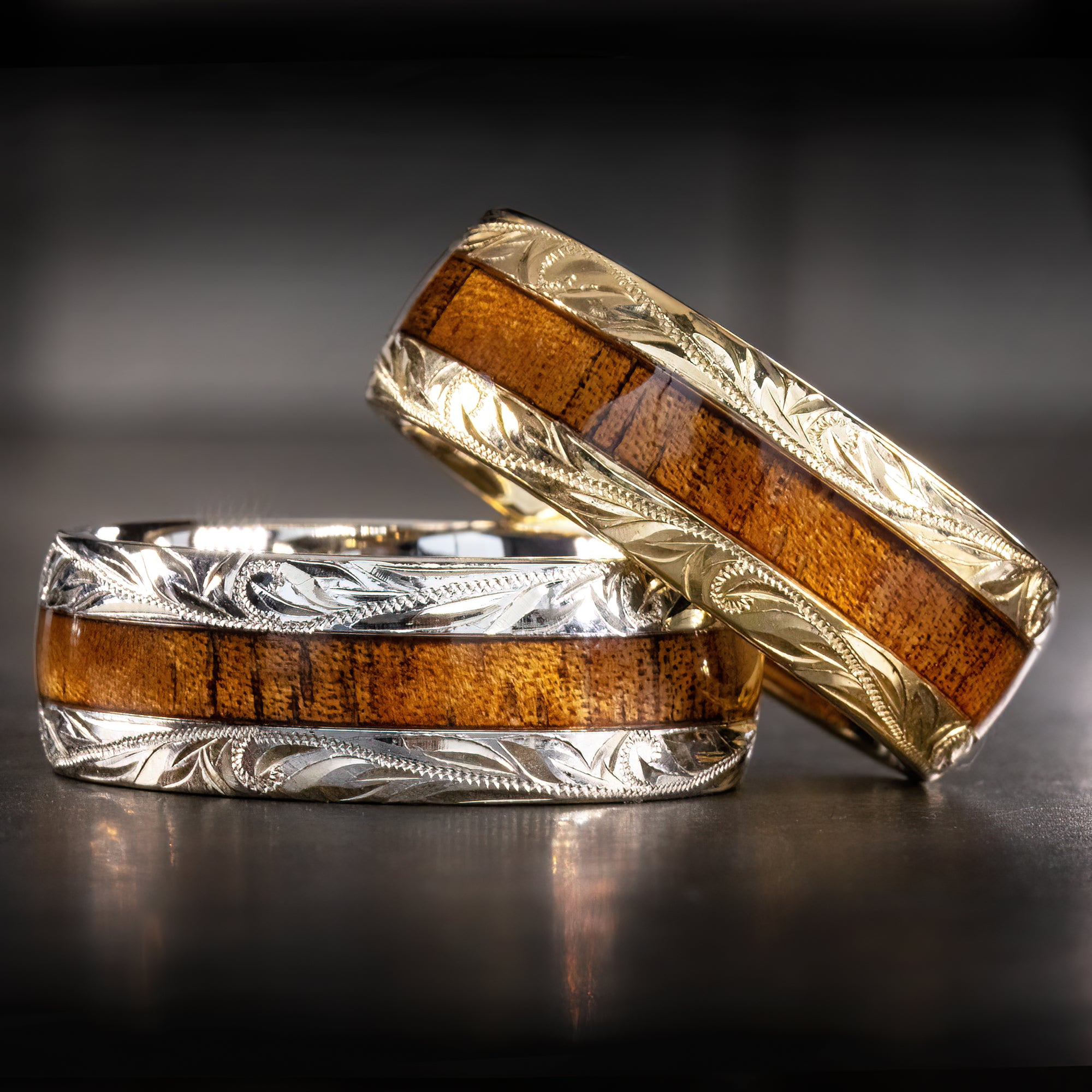
Gold has a distinctive yellow color that has made it recognizable throughout history. The metal's natural warm tone comes from its atomic structure and the way it reflects light. We can modify gold's color by mixing it with other metals to create white, rose, or other colored variations.
Platinum presents a naturally white, silvery appearance that doesn't change over time. The metal maintains its color without requiring plating or special treatments. This cool-toned luster appeals to those who prefer silver-colored jewelry.
Both metals offer excellent shine and reflective properties. Gold's luster is warm and rich, while platinum provides a more subdued, elegant gleam. Neither metal tarnishes under normal conditions, which helps them maintain their appearance for years.
Density and Weight
Platinum is denser than gold, with a density of 21.45 grams per cubic centimeter compared to gold's 19.32 grams per cubic centimeter. This means platinum weighs about 60% more than 14-karat gold and roughly 11% more than pure 24-karat gold.
The weight difference becomes noticeable when we compare jewelry pieces of the same size. A platinum ring feels substantially heavier in the hand than an identical gold ring. This added weight contributes to platinum's perception as a premium material.
The density of platinum makes it more durable for holding gemstones securely. The metal's weight and strength mean jewelers can use less material while maintaining structural integrity.
Purity Standards
Gold jewelry typically comes in several purity levels measured in karats. 24-karat gold is 99.9% pure, 18-karat contains 75% gold, and 14-karat has 58.3% gold. We mix gold with other metals to increase durability and change color.
Platinum jewelry maintains higher purity standards, usually ranging from 90% to 95% pure platinum. The most common platinum alloys are marked as 950 (95% platinum) or 900 (90% platinum). This higher purity level contributes to platinum's hypoallergenic properties.
The purity difference affects pricing and durability. Higher platinum purity means less risk of skin reactions but can result in a softer metal that scratches more easily.

Durability and Wear Resistance
Both metals handle daily wear differently, with platinum offering superior scratch resistance while gold provides options that balance durability with affordability based on karat weight.
Scratch and Tarnish Resistance
Platinum resists scratches better than gold because of its dense structure. When platinum gets scratched, the metal displaces rather than flakes off, which means no material is lost. This creates a patina over time that many people find appealing.
Gold scratches more easily, especially at higher purities like 18K and 24K. Lower karat gold (14K and 10K) contains more alloy metals, making it harder and more resistant to scratches. However, unlike platinum, gold loses tiny amounts of metal when scratched.
Tarnish resistance:
- Platinum: Does not tarnish or corrode
- Gold: Naturally resistant to tarnish and rust
- White gold: Requires periodic rhodium plating to maintain its bright white color
Neither metal will rust or corrode under normal conditions. White gold needs more maintenance than yellow or rose gold because the rhodium coating wears off with use.
Hypoallergenic Properties
Platinum is naturally hypoallergenic. We can use it in its pure form (typically 95% platinum) without causing skin reactions in people with metal sensitivities.
Gold's hypoallergenic properties depend on its purity. Pure 24K gold is hypoallergenic, but it's too soft for most jewelry. Lower karat gold (10K and 14K) contains nickel and other alloys that may irritate sensitive skin. People with metal allergies should choose 18K or higher gold, or opt for platinum.
White gold often contains nickel in its alloy mix, making it a poor choice for those with nickel allergies.
Suitability for Everyday Wear
Platinum works well for everyday wear because of its strength and resistance to wear. It holds gemstones securely and maintains its structural integrity over years of use. The metal is ideal for engagement rings, wedding bands, and other jewelry worn daily.
Gold offers good durability for everyday wear, particularly in 14K and 18K forms. These karat weights balance strength with gold content. 14K gold is harder than 18K gold, making it better for active lifestyles.
White gold requires replating every 1-2 years with normal wear, which adds to long-term maintenance. Yellow and rose gold need less upkeep but will show scratches more noticeably than platinum.

Value and Market Pricing
Gold typically trades at higher prices than platinum in today's market, which represents a shift from historical patterns. Understanding how these metals are priced helps investors make better decisions about which metal fits their investment goals.
Historical Price Trends
For most of modern trading history, platinum commanded higher prices than gold. This premium existed because platinum is rarer and harder to mine than gold. The two metals maintained this relationship for decades.
The pricing dynamic changed around 2015. Gold began trading above platinum, and this pattern has continued into 2026. The shift happened because of changes in industrial demand and economic uncertainty.
We can track the gold-to-platinum ratio to understand this relationship. When the ratio is above 1.0, gold costs more than platinum. Current ratios show gold trading significantly above platinum, sometimes by 30% or more.
The price gap between these metals fluctuates based on market conditions. Some periods show wider gaps, while other times the metals trade closer in value.
Influences on Market Value
Gold prices respond primarily to economic uncertainty, inflation fears, and currency fluctuations. Central bank purchases and jewelry demand also play major roles. Gold serves as a safe-haven asset during times of financial stress.
Platinum prices depend heavily on industrial applications. About 40% of platinum demand comes from automotive catalytic converters. Mining supply constraints affect platinum more directly since South Africa produces roughly 70% of the world's platinum.
Economic growth patterns influence each metal differently. Strong industrial activity boosts platinum demand. Economic uncertainty typically pushes investors toward gold.
Investment Security
Both metals offer portfolio diversification, but they serve different purposes. Gold provides stability during market downturns and protects against inflation. Its price tends to hold steady or rise when stock markets decline.
Platinum offers potential for price appreciation tied to industrial growth. The metal's discount to gold presents opportunities if historical price relationships return. However, platinum carries more volatility than gold.
We see gold as the more conservative choice for wealth preservation. Platinum suits investors who can accept higher risk for potential gains tied to economic expansion and industrial demand.

Uses in Jewelry and Industry
Gold and platinum serve different purposes across jewelry making and industrial applications. Gold dominates traditional jewelry markets, while platinum finds essential roles in both luxury pieces and modern technology.
Popular Jewelry Applications
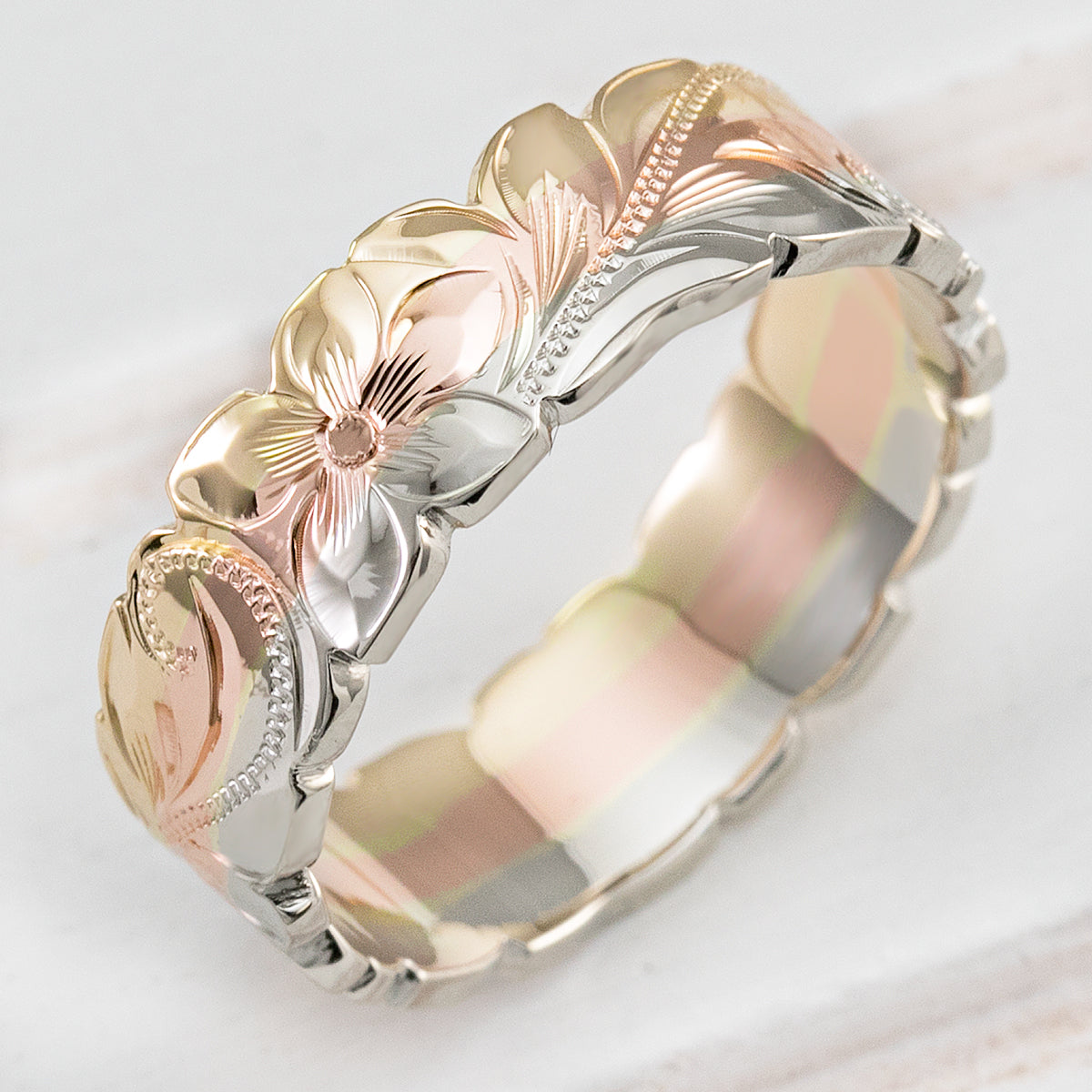
Gold remains the most common choice for jewelry worldwide. We see it used in rings, necklaces and pendants, bracelets, earrings, and watches. The metal comes in multiple colors through alloying: yellow gold maintains the classic look, white gold offers a silver appearance, and rose gold provides a warm pink tone.
Platinum jewelry appeals to buyers seeking durability and a naturally white finish. Wedding bands and engagement rings frequently use platinum because the metal holds gemstones securely and resists wear better than gold. The metal never fades or changes color over time.
Platinum jewelry typically costs more than gold pieces of similar weight. This price difference comes from platinum's rarity and density. A platinum ring contains more actual metal than a gold ring of the same size.
Both metals work well for people with sensitive skin, though platinum offers hypoallergenic properties that make it ideal for anyone prone to metal allergies.
Industrial and Technological Uses
Gold plays a vital role in electronics manufacturing. We find gold in computer chips, circuit boards, and connector pins because it conducts electricity efficiently and resists corrosion. The medical field uses gold in certain treatments and diagnostic equipment.
Platinum has stronger industrial demand than gold. The automotive industry uses platinum in catalytic converters to reduce harmful emissions from vehicles. Chemical plants rely on platinum as a catalyst in manufacturing processes for plastics, fertilizers, and other products.
The technology sector uses platinum in hard drives, thermocouples, and laboratory equipment. Fuel cells depend on platinum to generate clean energy. These industrial applications create steady demand that influences platinum prices independently from jewelry markets.
Maintenance and Care Considerations
Both metals require different approaches to cleaning and upkeep. The way each metal ages and responds to regular care directly affects how it looks and performs over years of daily wear.
Cleaning Methods
Platinum develops a patina over time, which creates a soft, frosted appearance on the surface. We can restore its original shine through professional polishing. At home, we clean platinum rings using warm water, mild dish soap, and a soft brush. The metal doesn't require special chemical cleaners.
White gold needs re-plating with rhodium every 1-2 years to maintain its bright white finish. Without this coating, the metal shows its natural yellowish tint. We use the same gentle cleaning method as platinum: warm soapy water and a soft cloth or brush. Harsh chemicals can damage the rhodium plating faster.
Both metals benefit from ultrasonic cleaning at a jeweler, though we should avoid this method if the ring has delicate gemstone settings.
Longevity with Proper Care
Platinum wears down more slowly than white gold because it's denser. When scratched, platinum displaces rather than loses material. This means the metal essentially moves around on the surface instead of wearing away. Professional buffing restores the finish without significant metal loss.
White gold is softer and loses small amounts of material when scratched. The rhodium plating wears off in high-friction areas first, typically within 12-24 months depending on lifestyle. Regular re-plating keeps the ring looking new, but this is an ongoing maintenance cost we need to budget for.
Both metals last generations with proper care. Platinum requires less frequent professional maintenance, while white gold needs consistent attention to preserve its appearance.
Frequently Asked Questions
Is platinum better than gold?
It depends on what you're looking for. Platinum is naturally white, hypoallergenic, and denser than gold, making it a popular choice for those with sensitive skin or who want a metal that doesn't need rhodium replating (unlike white gold). Gold, on the other hand, comes in more color options (yellow, rose, white), is generally easier and less expensive to resize or repair, and has broader cultural and traditional appeal. Neither metal is objectively "better"; it comes down to priorities like skin sensitivity, budget, maintenance, and personal style.
Is platinum more expensive than gold?
Historically, platinum traded at a premium to gold, but that relationship has flipped in recent years. As of July 1, 2026, gold was priced at $4,089 per ounce while platinum stood at $1,569 per ounce; meaning gold now costs well over double what platinum does by weight. That said, platinum is denser than gold, so a platinum piece often uses more metal by weight than a similarly sized gold piece, which can narrow the price gap in finished jewelry. Prices for both metals fluctuate with market conditions, so it's worth checking current spot prices when comparing.
Why do jewelers not like platinum?
Platinum isn't disliked so much as it's more demanding to work with. It has a much higher melting point than gold, requires specialized equipment and torches, and is harder to cut, solder, and polish, which makes labor and tooling costs higher. It's also a denser metal, so more material is needed by weight for the same design, adding to cost. Additionally, platinum develops a matte "patina" finish over time from micro-scratches (rather than losing metal like gold does), which some jewelers see as an extra step to manage since polishing it back to a high shine requires additional buffing.