


10K vs 14K Gold: Differences in Price, Purity & Durability
When shopping for gold jewelry, you'll quickly run into a choice between 10k and 14k gold. The numbers refer to how much pure gold is in the metal. 10k gold contains 41.7% pure gold while 14k gold contains 58.3% pure gold, which affects everything from price to durability to color.
Both types have benefits that make them popular for jewelry. 10k gold costs less and holds up better to daily wear because it contains more alloy metals. 14k gold has a richer color and higher purity, which many people prefer.
We'll walk you through the key differences as we learn about purity, strength, appearance, cost, and which type works best for different jewelry pieces.
Visit our 14K gold and 10K gold collections to find your perfect match.
Key Takeaways
- 10k gold is more durable and affordable while 14k gold offers better purity and richer color
- Your choice should depend on your budget, lifestyle, and whether you prioritize strength or gold content
- Both types work well for everyday jewelry but suit different needs and preferences

Gold Purity Differences
10K gold contains 41.67% pure gold while 14K gold contains 58.33% pure gold. The remaining percentage in both types consists of metal alloys like copper, silver, or zinc that add strength and durability to the jewelry.
Understanding Karat Ratings
The karat system measures how much pure gold exists in a metal mixture. We use a 24-point scale where 24K represents 100% pure gold.
When we divide the karat number by 24, we get the exact percentage of gold content. This system helps us compare different gold purities in a standardized way across the jewelry industry.
Each karat level serves a specific purpose. Lower karats like 10K offer more durability for everyday wear. Higher karats provide a richer gold color but are softer and more prone to scratches and dents.
Percentage of Pure Gold
10K gold contains exactly 10 parts pure gold mixed with 14 parts other metals. This creates the 41.67% purity ratio. The alloy metals make up 58.33% of the total composition.
14K gold contains 14 parts pure gold and 10 parts alloy metals. This produces the 58.3% pure gold content. The alloy portion accounts for 41.7% of the metal.
Gold Purity Breakdown:
| Karat | Pure Gold % | Alloy Metals % |
|---|---|---|
| 10K | 41.67% | 58.33% |
| 14K | 58.3% | 41.7% |
The difference amounts to roughly 16.6% more pure gold in 14K compared to 10K. This gap affects both the appearance and the price of the final jewelry piece.
Industry Standards
14K gold serves as the standard for most jewelry in the United States. We see it used most often for engagement rings, wedding bands, and fine jewelry pieces.
10K gold qualifies as the minimum karat that can legally be called "gold" in the U.S. market. Anything below 10K cannot be sold as gold jewelry under federal regulations.
Both 10K and 14K are considered solid gold alloys. They differ from gold-plated or gold-filled items, which only have a thin layer of gold over a base metal core.

Durability and Wearability
10k gold contains more alloy metals, making it harder and more resistant to daily wear, while 14k gold offers a softer composition that's easier to work with but slightly less durable.
Resistance to Scratches and Dents
10k gold stands up better to scratches and dents because it contains 58.3% alloy metals compared to 14k gold's 41.7%. These extra alloy metals make the material harder and more resistant to damage from everyday activities.
We find that 10k gold works well for people with active lifestyles or jobs that involve manual work. The harder composition means rings, bracelets, and other jewelry maintain their shape better over time.
14k gold scratches more easily due to its higher gold content of 58.3%. Pure gold is a soft metal, so the more gold in the alloy, the more susceptible it becomes to surface damage. However, most scratches on 14k gold are minor and can be polished out during regular maintenance.
The trade-off matters for different types of jewelry. Wedding bands and everyday rings benefit from 10k gold's toughness, while occasional-wear pieces like earrings or necklaces don't face the same durability demands.
Long-Term Maintenance
Both 10k and 14k gold require similar basic care routines. We recommend cleaning either type with warm water, mild soap, and a soft brush every few weeks.
10k gold needs less frequent professional maintenance because it resists wear better. The harder surface means prongs stay secure longer and settings remain tight. Most people can go 12-18 months between professional inspections.
14k gold benefits from more frequent check-ups, typically every 6-12 months. Jewelers can polish out scratches, check prong integrity, and ensure stones remain secure. The softer metal wears down faster at stress points like ring shanks and bracelet clasps.
Neither type tarnishes like silver, but both can accumulate dirt and oils that dull their appearance. Regular at-home cleaning keeps both looking their best between professional services.

Visual Appearance
The gold content directly affects how jewelry looks and performs with gemstones. 14K gold has a richer yellow color than 10K, while 10K offers better structural support for stone settings.
Color and Shine Comparison
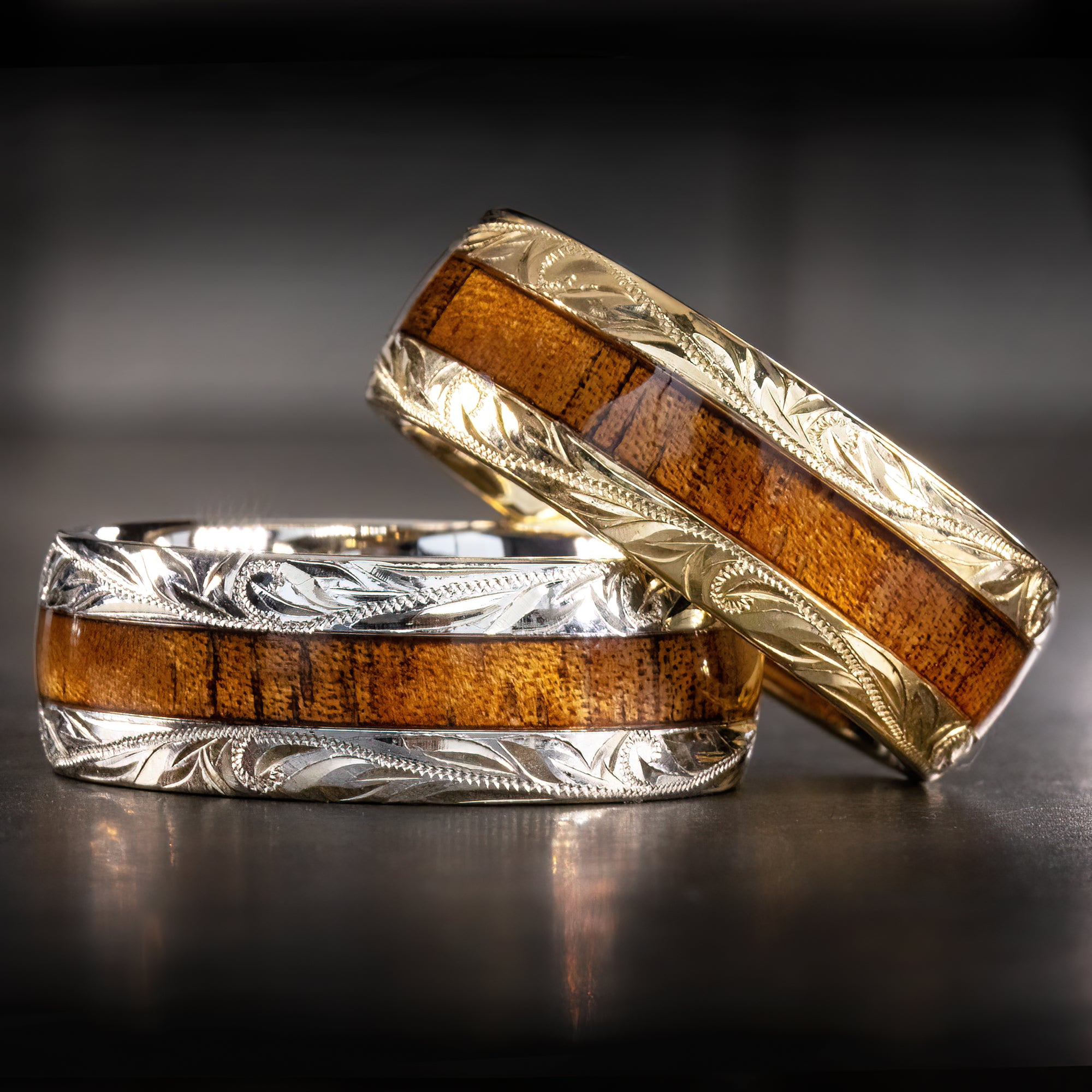
14K gold contains 58.3% pure gold compared to 10K's 41.7%, which creates a visible difference in color. The higher gold content in 14K produces a warmer, deeper yellow tone that looks closer to what most people think of as "gold."
10K gold appears lighter and can have a slightly pale yellow color. This happens because it contains more alloy metals like copper, silver, or zinc.
Key Color Differences:
- 14K gold: Rich, warm yellow tone
- 10K gold: Paler, lighter yellow appearance
- White gold versions: Less visible difference between karats
The shine quality stays similar between both karats when properly polished. Both types need regular cleaning and maintenance to keep their luster.
People with fair skin often find 14K gold more flattering because of its deeper color. The difference becomes less noticeable in white or rose gold versions since the alloy metals already change the base color significantly.
Impact on Gemstone Settings
10K gold works better for securing gemstones because it's harder and more durable. The extra alloy content makes prongs and bezels stronger, which helps hold stones in place over time.
We see 10K used more often in rings with daily wear potential. The hardness protects both the setting and the stones from damage during normal activities.
14K gold offers enough durability for most gemstone settings while providing better color contrast. Diamonds and white gemstones often look more striking against 14K's richer yellow tone. Colored stones like sapphires and emeralds benefit from this enhanced contrast too.
The softer nature of 14K means prongs may wear down faster with heavy use. Jewelers can compensate by making prongs slightly thicker in 14K settings.

Cost and Value Factors
10K gold costs less upfront because it contains less pure gold, while 14K gold commands a higher price due to its greater gold content. The resale value follows the same pattern, with 14K gold typically returning more money when sold.
Price Differences
10K gold contains 41.67% pure gold, which means you pay for less actual gold in each piece. 14K gold contains 58.33% pure gold, making it roughly 40% more expensive than 10K for the same item weight.
We see this price gap reflected across all jewelry types. A 10K gold ring might cost $300 while the same ring in 14K could run $420. The difference grows with heavier pieces like chains and bracelets.
The lower cost of 10K makes it popular for budget-conscious buyers. It offers a real gold option without the premium price tag.
14K gold serves as the standard in American jewelry stores. Most engagement rings and fine jewelry default to this karat because buyers accept the higher cost for better gold content.
Resale and Investment Value
14K gold returns more money when sold because it contains more pure gold. Dealers and buyers typically pay 70-90% of the melt value, which is calculated from the pure gold content.
Using current market rates, 14K gold melts at approximately $79 per gram while 10K melts at around $57 per gram. This 38% value difference persists whether you sell to a dealer, pawn shop, or private buyer.
The extra alloy metals in 10K gold have minimal resale value. Buyers pay for the gold content, not the copper or zinc mixed in.
For investment purposes, 14K gold preserves more value over time. It tracks closer to gold market prices than 10K does.

Best Uses and Suitability
10k gold works best for everyday jewelry that takes heavy wear, while 14k gold suits fine jewelry where color and purity matter more than extreme durability.
Recommended Jewelry Types
We recommend 10k gold for rings that endure constant contact and pressure. Wedding bands, men's rings, and children's jewelry benefit from the extra strength that comes with higher alloy content. The added durability means fewer scratches and dents over time.
14k gold works better for pieces where appearance is the priority. Engagement rings, necklaces, and earrings look richer in 14k gold because of the deeper color. These items typically face less physical stress than rings worn daily.
Best choices by jewelry type:
- Wedding bands and daily rings: 10k gold
- Engagement rings: 14k gold
- Necklaces and chains: 14k gold
- Earrings: 14k gold
- Children's jewelry: 10k gold
- Men's rings: 10k gold
Lifestyle Considerations
Your daily activities should guide your gold choice. People who work with their hands need 10k gold's resistance to damage. Construction workers, mechanics, and healthcare workers all benefit from jewelry that won't bend or scratch easily.
Office workers and those with less physical jobs can choose based on preference rather than durability needs. 14k gold maintains its appearance well without the extreme abuse that trades workers face.
Budget also plays a role in suitability. 10k gold costs about 40% less per gram than 14k gold, making it practical for larger pieces or when price is a main concern. People with metal sensitivities should choose 14k gold since it contains more pure gold and fewer allergy-causing metals.
Frequently Asked Questions
Both 10K and 14K gold have distinct advantages depending on your budget, lifestyle, and preferences. Each karat level offers different levels of purity, durability, and price points that make them suitable for specific situations.
Is 10K gold or 14k gold better?
Neither option is universally better because the right choice depends on what matters most to you. 14K gold contains 58.3% pure gold, while 10K gold contains 41.7% pure gold.
14K gold offers a richer color and higher resale value. It's the standard choice for fine jewelry in many countries.
10K gold provides superior durability and costs less. If you need jewelry that can handle daily wear and rough conditions, 10K gold resists scratches and dents better than 14K.
Is 10K gold worth buying?
Yes, 10K gold is worth buying for specific purposes. It's real gold that won't tarnish or rust over time.
We recommend 10K gold when you want durable everyday jewelry at a lower price point. It works well for rings, bracelets, and other pieces that get bumped or scratched frequently.
The lower gold content means you get a sturdy piece that maintains its appearance with minimal care. For people with active lifestyles or tight budgets, 10K gold delivers solid value.
Why is 10K gold so cheap?
10K gold costs less because it contains less actual gold. With only 41.7% gold content, the remaining 58.3% consists of other metals like copper, silver, or zinc.
The price of gold jewelry directly relates to its pure gold content. Since 10K has roughly 30% less gold than 14K, it costs proportionally less per gram.
The alloy metals used in 10K gold are much cheaper than gold itself. This composition keeps the overall material cost down while still creating a genuine gold product.
Which option is more durable for everyday jewelry wear?
10K gold is more durable for everyday jewelry wear. The higher percentage of alloy metals makes it harder and more resistant to damage.
We find that 10K gold holds up better to scratches, dents, and bending. This makes it ideal for engagement rings, wedding bands, and other jewelry you never take off.
14K gold is softer and more prone to scratching. However, it's still durable enough for regular wear if you're reasonably careful with your jewelry.
How noticeable is the color difference between lower and higher karat gold?
The color difference between 10K and 14K gold is subtle but visible when you compare them side by side. 14K gold has a warmer, more yellow appearance because it contains more pure gold.
10K gold looks slightly paler or whiter due to its higher alloy content. Most people won't notice this difference unless they're looking closely or comparing multiple pieces.
The difference becomes more obvious with yellow gold than with white or rose gold. White gold gets its color from rhodium plating, which looks similar regardless of karat.
How is the price and resale value of 10K gold?
10K gold typically costs 20-30% less than comparable 14K gold jewelry. The exact price difference depends on current gold market rates and the specific piece.
The resale value of 10K gold is lower than 14K gold because it contains less pure gold. When you sell gold, buyers pay based on the actual gold content.
We see that 10K gold retains about 70% of the value that 14K gold holds in the resale market. If resale value matters to you, 14K gold provides better long-term value retention.