

White Gold vs Silver: Differences & Similarities
White gold and silver both offer beautiful white metal options for jewelry, but they're actually quite different. White gold is made by mixing yellow gold with white metals like palladium or nickel, then coating it with rhodium for extra shine. Silver is a naturally white metal that costs less but needs more care over time.
The main difference between white gold and silver is that white gold is stronger, more durable, and holds its value better, while silver is more affordable but tarnishes easily and scratches more quickly. Your choice depends on your budget, how often you'll wear the piece, and how much maintenance you're willing to do.
We'll walk you through everything you need to know about these two metals so you can make the right choice for your needs.
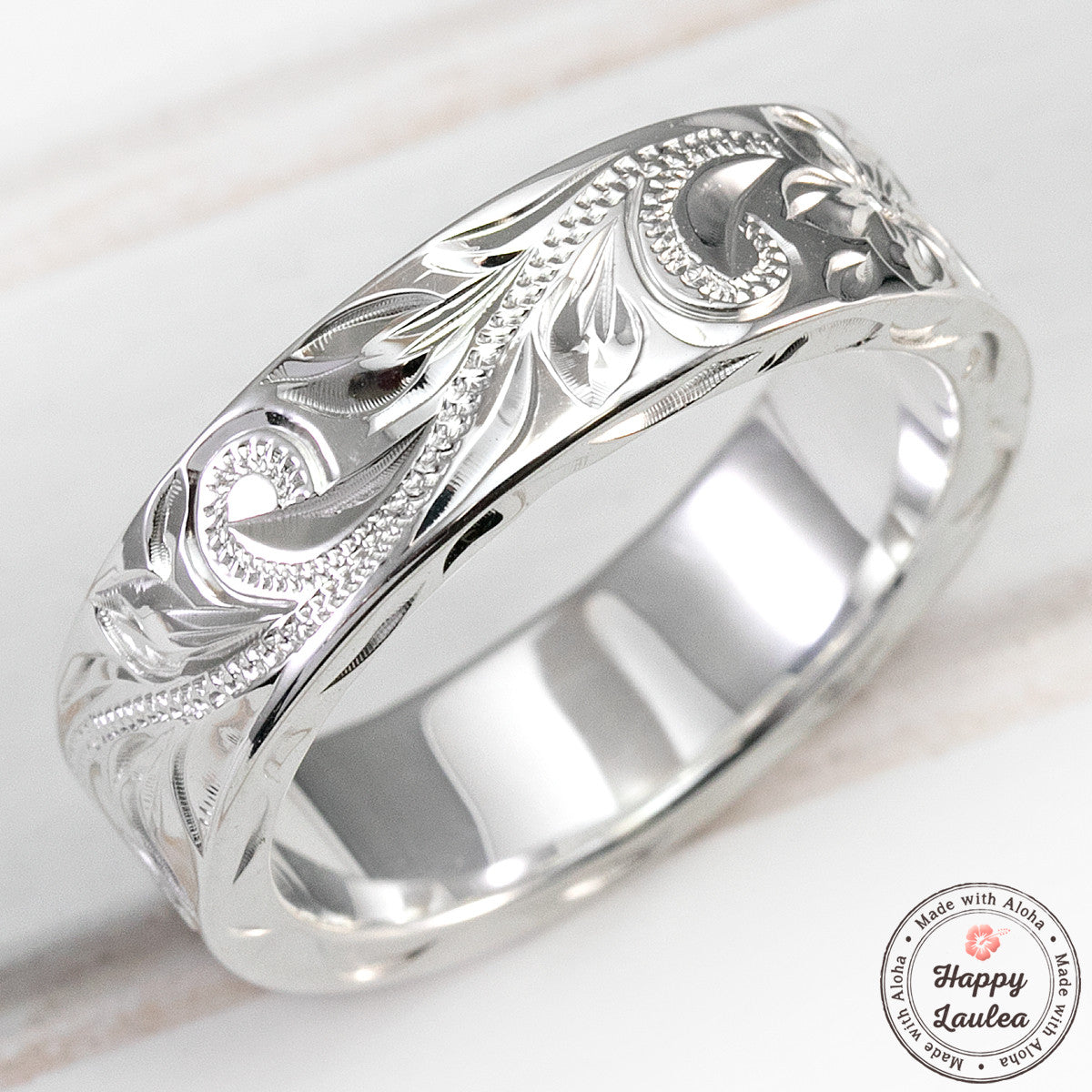
Visit our white gold or sterling silver ring collections to find your perfect match.
Key Takeaways
- White gold is more durable and scratch-resistant than silver, making it better for everyday wear
- Silver costs less upfront but requires regular cleaning to prevent tarnish and maintain its shine
- White gold holds its value better over time while silver offers an affordable option for trendy pieces

Metals Composition and Key Characteristics
White gold and silver differ significantly in their makeup, strength, and natural appearance. White gold is a mix of pure gold with other metals, while silver is typically alloyed with a small amount of copper.
Primary Elements and Alloys
White gold contains 75% pure gold combined with 25% white metals like palladium, nickel, or zinc. This combination creates the 18k white gold standard. For 14k white gold, the ratio shifts to 58.3% pure gold mixed with other metals.
Sterling silver consists of 92.5% pure silver and 7.5% copper. This specific blend is why you'll see "925" stamped on silver jewelry. The copper makes the silver stronger without changing its color too much.
White gold costs more because it contains actual gold. Silver is less expensive since silver as a raw material has a lower market value than gold. The alloy metals in white gold also contribute to its higher price point compared to the simpler composition of sterling silver.
Physical Properties and Durability
White gold resists scratches better than silver due to its harder alloy composition. The metal holds up well to daily wear and works well for rings and bracelets that experience regular contact with surfaces.
Silver is softer and more prone to scratching. You'll notice surface scratches develop over time with regular use. However, silver doesn't break or crack easily despite being softer.
White gold typically receives a rhodium plating that adds extra protection against wear and tarnishing. Silver tarnishes when exposed to air and moisture, creating a dark film on the surface. We can polish both metals, but silver needs more frequent cleaning to maintain its shine.
Natural Color and Appearance
White gold has a slightly warm, grayish-white tone in its natural state. The rhodium plating gives it a brighter, mirror-like white finish that most people associate with white gold jewelry.
Silver displays a cooler, bright white color naturally. It doesn't need plating to achieve its characteristic appearance. The metal has a distinct reflective quality that differs from white gold's subtle warmth.
Both metals look similar to the untrained eye, but silver appears slightly brighter and whiter. White gold shows a faint yellow tint when the rhodium plating wears off, revealing the gold underneath.

Aesthetic Appeal and Styles
White gold and silver both offer a cool-toned, silvery appearance, but they differ in their underlying warmth, reflective qualities, and how they complement various design aesthetics.
Color Differences and Shine
White gold has a slightly warmer undertone compared to silver. This comes from its composition of yellow gold mixed with white metals like palladium or nickel, then coated with rhodium plating. The rhodium gives white gold a bright, mirror-like finish that looks almost platinum-white.
Silver has a cooler, grayer tone that's naturally brighter without any plating. Sterling silver (92.5% pure silver) reflects light differently than white gold, creating a softer, more subdued shine. Over time, white gold's rhodium plating can wear off, revealing the warmer gold alloy underneath.
The shine quality differs between the two metals. White gold tends to hold a consistent, polished look longer due to its harder composition. Silver develops a unique patina as it ages, which some people prefer for its vintage character.
Popular Design Trends
White gold dominates in engagement rings and wedding bands because of its luxury appeal and durability. We see it frequently in modern, minimalist designs and contemporary settings that require strong prongs to hold gemstones securely.
Silver appears more often in bohemian, vintage-inspired, and statement jewelry pieces. Fashion jewelry and artisan designs favor silver because it's easier to work with and allows for intricate detailing. Chunky chain necklaces, stackable rings, and ornate earrings commonly use silver.
Both metals work well for different styles:
- White gold: Fine jewelry, bridal sets, classic solitaires, tennis bracelets
- Silver: Layered necklaces, bold cuffs, gemstone rings, everyday pieces
Surface Finishes and Textures
Both metals accept various finishes that change their appearance significantly. Polished finishes create maximum shine and are the most popular choice for both white gold and silver pieces.
Matte or brushed finishes give a contemporary, understated look. Silver takes on these textured finishes more easily than white gold. Hammered, oxidized, and antiqued finishes appear primarily on silver jewelry because craftsmen can achieve these effects through simpler techniques.
White gold typically maintains smoother finishes like high polish or satin. The rhodium plating on white gold creates an even, consistent surface that resists scratching better than silver's softer composition.


Tarnish Resistance and Longevity
White gold resists tarnish far better than silver, while silver develops a darkened patina over time when exposed to air and moisture. Both metals require different maintenance approaches to preserve their appearance.
Oxidation and Corrosion
Silver reacts with sulfur compounds in the air, forming silver sulfide on its surface. This creates the black or yellow tarnish we commonly see on silver jewelry. The tarnishing process happens faster in humid environments or when silver contacts lotions, perfumes, and household chemicals.
White gold does not tarnish in the traditional sense. The gold content makes it highly resistant to oxidation and corrosion. We can expect white gold to maintain its structural integrity for decades without chemical reactions that damage the metal.
Sterling silver needs regular polishing to remove tarnish buildup. Many people store silver jewelry in anti-tarnish bags or cloth to slow down oxidation. Even with proper care, silver requires more frequent cleaning than white gold.
Plating and Protective Coatings
Most white gold jewelry features a rhodium plating layer. This coating gives white gold its bright white finish and adds extra protection against scratches. The rhodium plating wears off gradually through daily wear, typically lasting 1-3 years before requiring reapplication.
Without rhodium plating, white gold appears slightly yellow or gray. We recommend replating every few years to maintain the bright appearance. The cost ranges from $50-$150 per piece depending on the jewelry size.
Silver rarely receives protective coatings, though some manufacturers apply anti-tarnish treatments. These treatments only delay tarnishing rather than prevent it completely. The native silver surface remains exposed to air and requires ongoing maintenance through polishing.

Skin Sensitivity and Wearability
Both metals can cause reactions in sensitive skin, but the actual culprits are usually the alloy metals mixed with them rather than the pure metals themselves. Comfort during daily wear depends on weight, durability, and how your skin responds to each metal.
Common Allergies
White gold causes more allergic reactions than silver because it often contains nickel in its alloy mix. Nickel is one of the most common metal allergens, affecting about 10-20% of the population. When manufacturers create white gold, they mix pure yellow gold with white metals like nickel, palladium, or platinum to achieve the silvery color.
Silver jewelry, particularly sterling silver, rarely triggers allergic reactions on its own. Sterling silver contains 92.5% pure silver and 7.5% copper. Copper allergies are much less common than nickel allergies.
If you have sensitive skin, look for nickel-free white gold or palladium white gold. These options cost more but eliminate the most common allergen. You can also choose 18k white gold, which has a higher percentage of pure gold and less alloy metal overall.
Some people develop reactions to the rhodium plating used on white gold. This plating wears off over time and needs replating every 1-3 years.
Comfort for Daily Use
Silver feels lighter on your skin than white gold because it has a lower density. This makes silver rings, bracelets, and necklaces more comfortable for all-day wear, especially in larger pieces.
White gold offers better durability for daily wear. It resists scratches and dents more effectively than silver, which is a softer metal that can bend or lose its shape over time. We see silver pieces develop a patina or tarnish that requires regular cleaning.
White gold maintains its appearance longer with minimal maintenance. The rhodium plating protects the metal and keeps it looking bright, though you'll need occasional replating. Silver needs more frequent polishing to prevent tarnish buildup, especially if you live in humid climates or swim frequently.

Best Uses for Jewelry and Accessories
White gold offers superior durability for pieces that endure daily wear and contact, while silver works well for decorative items worn occasionally or with extra care.
Suitability for Rings and Bracelets
We recommend white gold for engagement rings and wedding bands because these pieces face constant contact with surfaces. The metal resists scratches and dents better than silver. White gold maintains its shape even when bumped against countertops, doorframes, and other hard objects.
Silver rings work for fashion jewelry you don't wear every day. They bend and scratch more easily than white gold. If you wear rings during physical activities or manual work, silver will show damage quickly.
For bracelets, white gold handles daily wear without losing its finish. Tennis bracelets and chain bracelets in white gold keep their appearance for years. Silver bracelets need more attention because they tarnish and can develop a patina.
We suggest 14K white gold for any ring or bracelet you plan to wear continuously. Save silver pieces for special occasions or rotate them with other jewelry.
Appropriateness for Watches and Necklaces
White gold watches represent a long-term investment because the metal withstands decades of wear. The case and band resist scratching from desk work and daily activities. Silver watches require regular polishing to prevent tarnish, especially where the metal contacts skin.
Necklaces in either metal work well since they experience less physical contact than rings. Silver necklaces suit fashion-forward looks at a lower price point. White gold necklaces pair better with diamond or precious stone pendants because the metal's value matches the gems.
Chain thickness matters for silver necklaces. Delicate silver chains can break or kink more easily than white gold versions. We choose white gold for thin chains and everyday necklaces. Silver works for statement pieces with bold designs that you wear less frequently.
Care and Maintenance Tips
White gold and silver need different approaches to stay in good condition. White gold requires occasional rhodium replating but resists tarnish, while silver needs regular polishing to prevent discoloration.
Cleaning Methods
We can clean white gold at home using mild dish soap and warm water. Mix a few drops of soap in a bowl of water, soak the jewelry for 15-20 minutes, then gently scrub with a soft toothbrush. Rinse thoroughly and dry with a lint-free cloth.
Silver jewelry requires more frequent cleaning because it tarnishes when exposed to air. We recommend using a baking soda paste for tarnished pieces. Mix three parts baking soda with one part water to form a paste, then gently rub it on the silver with a soft cloth. Rinse and dry completely.
Professional cleaning is important for both metals once or twice a year. White gold pieces with rhodium plating will eventually need replating to maintain their bright white shine. This typically happens every 1-3 years depending on wear.
Storage Recommendations
We should store white gold and silver pieces separately to prevent scratching. Use individual soft pouches or lined jewelry boxes with compartments.
Silver needs airtight storage to slow tarnishing. We can use anti-tarnish strips or bags designed specifically for silver jewelry. Keep silver away from rubber bands, wool, and foods containing sulfur like eggs and onions.
Store both metals in a cool, dry place away from direct sunlight. Remove jewelry before swimming, exercising, or applying lotions and perfumes. These substances can damage rhodium plating on white gold and accelerate tarnishing on silver.

Pricing and Investment Value
White gold costs significantly more than silver due to gold's higher base metal value, while both metals experience price changes based on commodity markets.
Market Price Fluctuations
White gold prices depend on gold's market value, which trades at much higher rates than silver. A 14K white gold piece contains 58.3% pure gold mixed with other metals, while 10K contains 41.7% gold. This means the raw material cost for white gold stays substantially higher than sterling silver.
Sterling silver contains 92.5% pure silver. Silver prices fluctuate based on industrial demand, mining supply, and investor activity. These price swings can be more dramatic than gold's movements.
Price Comparison (approximate 2026 retail)
- Sterling silver rings: $30-$150
- 10K white gold rings: $200-$800
- 14K white gold rings: $400-$1,500
White gold pieces also include rhodium plating costs, which adds to the initial purchase price and ongoing maintenance expenses.
Long-Term Value Retention
White gold holds more intrinsic value than silver because gold maintains a higher commodity price. When melted down, white gold retains a larger portion of its purchase price compared to sterling silver.
We see that resale value depends on more than just metal content. Design quality, brand recognition, craftsmanship, and current market demand all affect what buyers will pay for used jewelry. A well-made silver piece from a known designer may sell for more than a generic white gold item.
Silver requires more frequent cleaning and can tarnish, which may affect resale appeal. White gold needs periodic rhodium replating to maintain its bright white finish, adding to ownership costs over time.
Sustainability and Ethical Sourcing
Both white gold and silver can be sourced responsibly, but the path to ethical production differs for each metal.
Recycled metals offer the most sustainable option for both materials. In the UK, 80% of gold used in jewelry is recycled. This significantly reduces environmental impact by eliminating the need for new mining operations.
However, recycled materials aren't a complete solution. We still need transparency and accountability throughout the supply chain to ensure truly ethical practices.
When it comes to newly mined metals, ethical sourcing focuses on three key areas:
- Traceable origins that meet environmental standards
- Fair labor practices and worker safety
- Support for mining communities
Silver mining presents unique challenges. To extract one ounce of silver requires 2.5 times more mercury than gold mining. Because silver has lower monetary value, extracting $100 worth of silver uses significantly more mercury than $100 worth of gold.
White gold contains mainly gold, so its environmental footprint closely mirrors that of yellow gold. The added metals like palladium or nickel have their own sourcing considerations.
We can look for certifications like Fairmined or Fairtrade when buying new jewelry. These programs ensure miners receive fair wages and work in safe conditions. Many jewelry brands now offer collections made exclusively from recycled or ethically sourced metals.
Choosing ethically sourced metals means supporting fair treatment of workers and reducing environmental harm. Both white gold and silver are available from responsible sources when we prioritize brands committed to transparency.