


White Gold vs Yellow Gold: Key Differences To Know
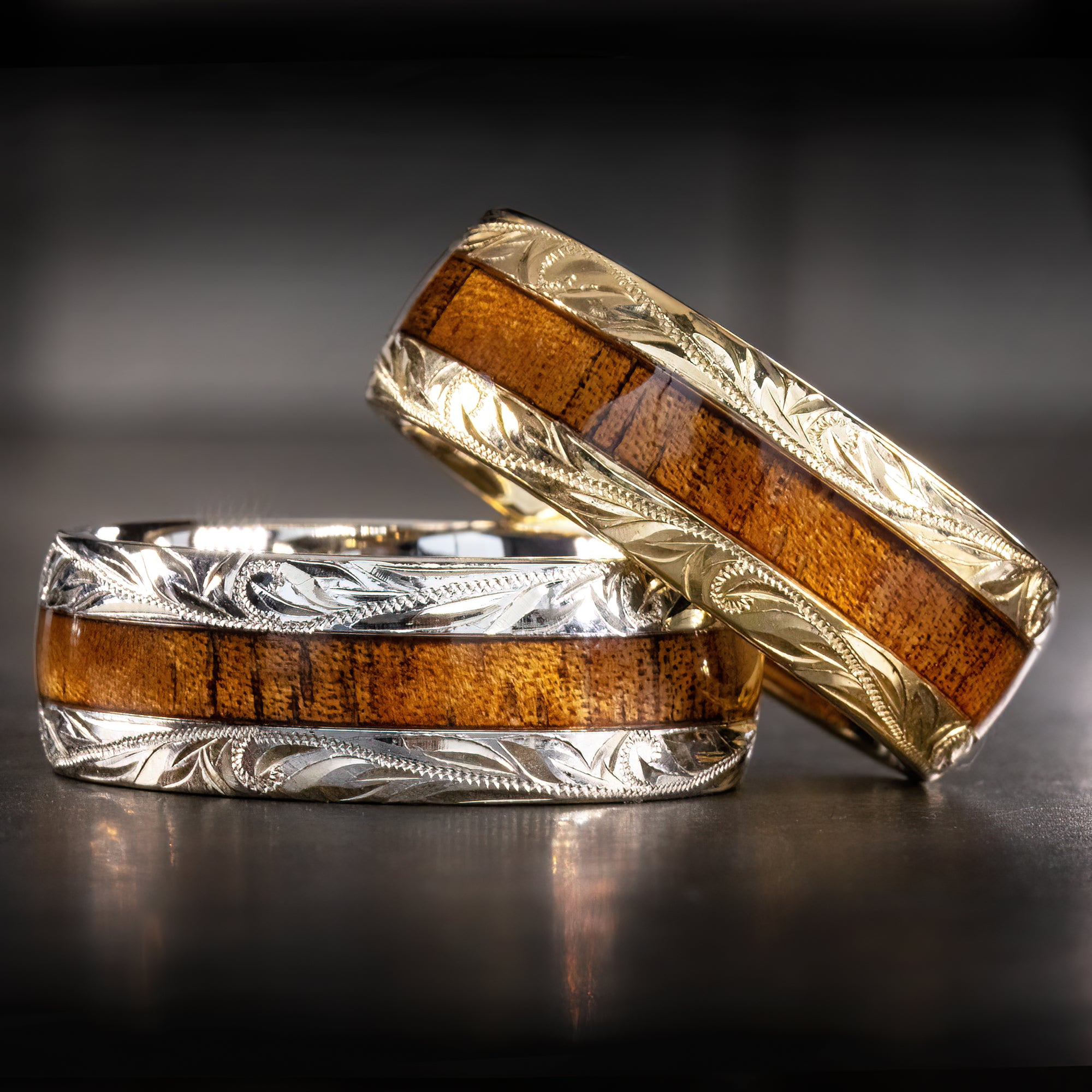
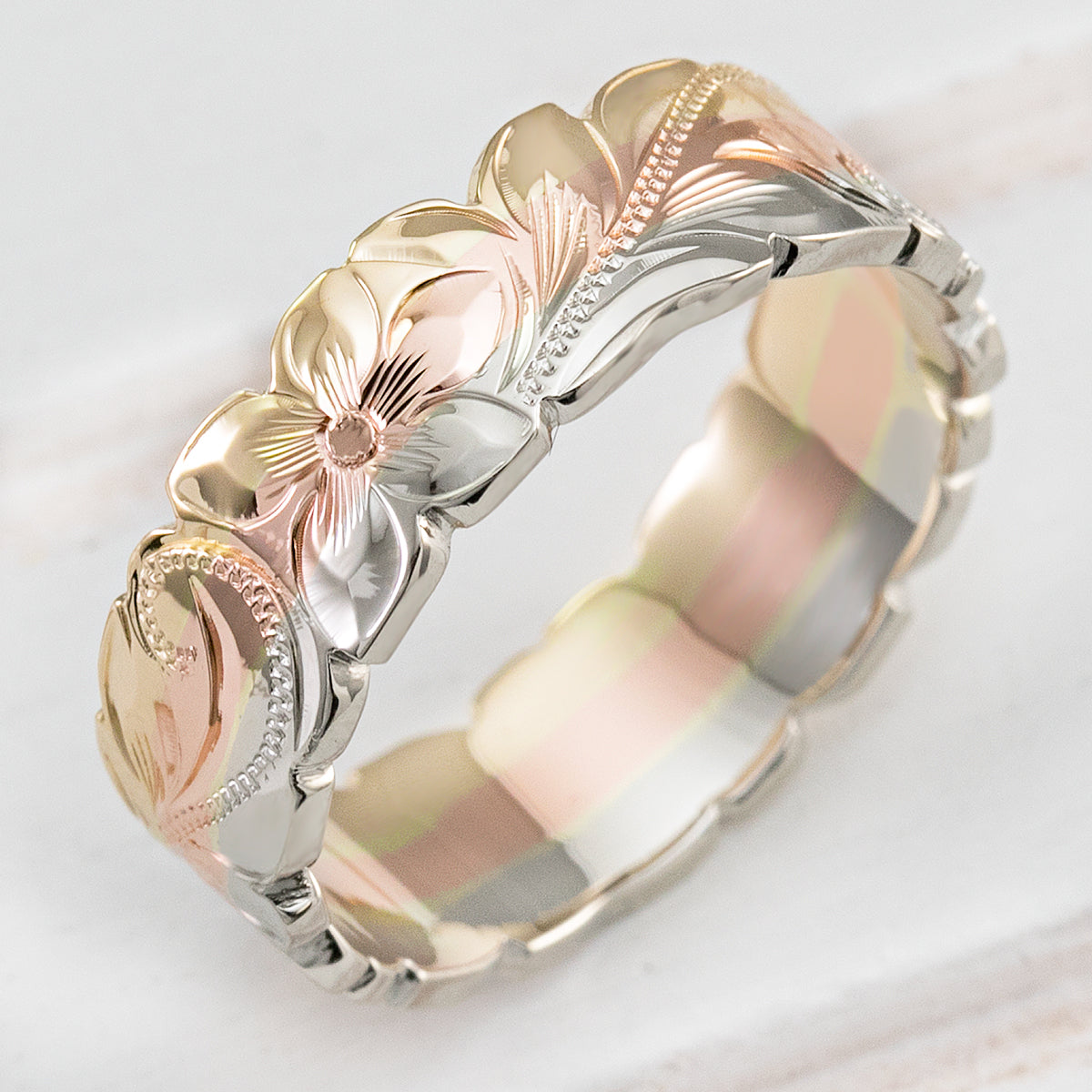
Choosing between white gold and yellow gold is one of the most common decisions when buying jewelry. The main difference between white gold and yellow gold is their color and metal composition—yellow gold is mixed with copper and zinc to maintain its warm golden tone, while white gold is combined with metals like palladium or nickel and coated with rhodium to create a silvery-white appearance.
Understanding these differences helps you pick the right metal for your style and needs. Each type has its own benefits when it comes to durability, maintenance, and price.
We'll walk you through everything you need to know about these two popular gold types. From how they're made to how they hold up over time, you'll learn what matters most for your jewelry purchase.
Visit our gold and silver ring collections to find your perfect match.
Key Takeaways
- White gold and yellow gold differ in color and the types of metals mixed with pure gold to create each alloy
- Both metals require different levels of maintenance, with white gold needing occasional replating to maintain its bright finish
- Your choice between the two depends on personal style preferences, skin sensitivity, and the type of jewelry you plan to wear

Defining White Gold and Yellow Gold
Both white gold and yellow gold start with pure gold as their base, but different metal mixtures and treatments create their distinct colors and characteristics.
Composition and Alloys
Yellow gold contains pure gold mixed with copper and silver. The exact amounts of these metals depend on the karat rating. For 14k yellow gold, we see 58.3% pure gold combined with the alloy metals. For 18k, the mixture contains 75% pure gold.
White gold uses a different recipe. It combines pure gold with white metals like nickel, palladium, or silver. These metals remove the yellow color from the pure gold. The same karat system applies—14k white gold has 58.3% pure gold, while 18k has 75%.
The alloy metals serve two purposes. They change the color of the final product. They also make the gold harder and more durable for everyday wear.
Manufacturing Processes
Yellow gold requires fewer steps to produce. We mix the pure gold with copper and silver, heat them together, and form the final jewelry piece. The natural color remains stable without additional treatment.
White gold needs extra work. After mixing pure gold with white metals, manufacturers apply a rhodium plating to the surface. This thin layer gives white gold its bright, silver-like finish. Without this plating, white gold appears slightly gray or dull yellow.
The rhodium coating wears off over time. This means white gold jewelry needs re-plating every few years to maintain its appearance.
Color and Appearance
Yellow gold displays a warm, rich tone that ranges from bright yellow to deep gold. The intensity depends on the karat—higher karat gold shows more yellow because it contains more pure gold.
White gold looks silver or platinum-like when freshly plated. The rhodium coating creates a cool, modern appearance. As the plating wears down, a slightly warmer tone may show through.
The color choice affects how gemstones appear in the setting. Yellow gold brings warmth to diamonds and colored stones. White gold creates high contrast with diamonds and complements cool-toned gems.

Durability and Maintenance
White gold requires more upkeep than yellow gold, but both metals offer excellent longevity for jewelry. The main differences come down to how each metal resists scratches and how much care they need over time.
Scratch Resistance
White gold is harder and more resistant to scratches than yellow gold. This comes from the alloy metals mixed into white gold, particularly nickel or palladium. These metals create a stronger surface that holds up better to daily wear.
Yellow gold is softer and more prone to scratches and dents. The higher the karat, the softer the gold becomes. 24-karat yellow gold scratches very easily, while 14-karat yellow gold offers better resistance because it contains more alloy metals.
We should note that both metals can still get scratched with regular use. White gold hides small scratches better because of its uniform color. Yellow gold shows scratches more clearly, but we can polish them out easily.
Tarnish and Fading
Yellow gold does not tarnish or change color over time. Pure gold is chemically stable, which means it keeps its warm color permanently. This makes yellow gold very easy to maintain for years.
White gold can lose its bright white appearance as the rhodium plating wears off. Most white gold jewelry has a thin rhodium coating that gives it a shiny, silvery-white finish. Without this plating, white gold looks more grayish or yellowish.
We recommend getting white gold replated every 1-3 years depending on wear. This process costs between $50-$150 per piece and restores the original bright white color.
Cleaning and Care Requirements
Both metals need regular cleaning to maintain their shine. We can clean yellow gold and white gold at home using warm water, mild dish soap, and a soft brush. This simple cleaning removes dirt and oils that build up from daily wear.
Yellow gold needs minimal professional maintenance. An annual professional cleaning and inspection is usually enough to keep yellow gold jewelry in excellent condition.
White gold requires rhodium replating as its main maintenance need. Between replating sessions, we should avoid harsh chemicals and remove white gold jewelry before swimming in chlorinated pools. Professional cleaning helps extend the time between replating.

Hypoallergenic Properties
Yellow gold naturally works better for sensitive skin due to its higher pure gold content, while white gold can trigger allergic reactions depending on which metals are mixed into the alloy.
Common Allergic Reactions
Metal allergies typically show up as contact dermatitis on the skin where jewelry touches. We see redness, itching, swelling, and sometimes small blisters or dry patches. These reactions can start within hours or develop after wearing jewelry for several days.
Pure gold rarely causes allergic reactions. The problem comes from the other metals mixed into gold alloys. When we wear jewelry that contains allergenic metals, our immune system treats these metals as threats and creates an inflammatory response.
The severity of reactions varies from person to person. Some people experience mild itching that goes away quickly. Others deal with painful rashes that last for days after removing the jewelry. People with known metal sensitivities need to pay close attention to what metals are in their jewelry.
Nickel Content Differences
White gold often contains nickel as a whitening agent, which is one of the most common metal allergens. Yellow gold typically uses copper and silver in its alloy mix, making it safer for sensitive skin.
We can find nickel-free white gold options that use palladium or platinum instead. These alternatives maintain the silvery appearance without the allergic risk. The challenge is that nickel-based white gold costs less to produce, so many jewelers still use it.
Most white gold jewelry has a rhodium plating that acts as a protective barrier. This coating can prevent direct contact with nickel underneath. However, rhodium plating wears off over time through normal use, exposing the base metal. We need to replate white gold jewelry every few years to maintain this protection.
Yellow gold in 14K or 18K purity contains minimal allergenic metals. Higher karat yellow gold means more pure gold and less alloy content.

Price and Value Considerations
White gold and yellow gold with the same karat weight have nearly identical base values. The real price differences come from manufacturing processes, market trends, and how well each metal holds its worth over time.
Raw Material Costs
Both white gold and yellow gold start with pure gold mixed with other metals. The gold content determines the base price, not the color.
A 14K white gold ring and a 14K yellow gold ring contain the same amount of pure gold. This means their raw material costs are basically equal. The difference is in what metals get mixed with the gold.
White gold needs additional metals like palladium, nickel, or platinum to create its silver color. It also requires rhodium plating to achieve that bright white finish. This plating process adds $50 to $150 to the initial cost, depending on the jeweler and piece size.
Yellow gold uses copper and silver as alloy metals, which cost less than the metals used in white gold. However, yellow gold doesn't need any special plating or finishing treatments.
Market Demand
Market preferences shift between white and yellow gold based on current fashion trends. Right now, both metals enjoy strong popularity in different jewelry categories.
White gold became very popular in the early 2000s and remains a top choice for engagement rings. About 60% of engagement rings sold today feature white gold settings. Young buyers often prefer its modern look that pairs well with diamonds.
Yellow gold has made a strong comeback in recent years. Fashion jewelry and wedding bands in yellow gold are trending upward. Many buyers now see yellow gold as a classic choice that stands apart from more common white metal options.
These demand shifts don't significantly change the actual prices you'll pay. Most jewelers price pieces based on gold content and craftsmanship rather than color preference.
Resale Value
When selling gold jewelry, the color makes almost no difference in what you'll receive. Gold buyers pay based on weight and purity, not appearance.
We can sell both white and yellow gold pieces to refiners for essentially the same price per gram. A 14K white gold bracelet and a 14K yellow gold bracelet of equal weight will fetch the same scrap value.
The rhodium plating on white gold adds no resale value. Buyers remove all plating during the melting process anyway. They only care about the pure gold content underneath.
Designer pieces or antique jewelry might sell for more than scrap value regardless of color. In these cases, the brand name, craftsmanship, or historical significance matters more than whether the gold is white or yellow.

Customization Options
Both metals accept personalization well, though they respond differently to various finishing techniques and engraving methods. The metal you choose affects how certain customizations will look and last over time.
Finishing Techniques
Yellow gold accepts multiple finishing techniques with consistent results. We can apply polished, matte, satin, or hammered finishes that remain stable over time. The natural color shows through evenly with any texture we create.
White gold requires special consideration for finishes. The rhodium plating affects how different textures appear. A high-polish finish works best with rhodium plating and creates a bright, reflective surface.
Brushed or matte finishes on white gold present challenges. When we apply these finishes, the rhodium plating wears faster in textured areas. This means more frequent replating to maintain the appearance.
Common Finishing Options:
- Polished: Works equally well on both metals
- Brushed/Satin: More durable on yellow gold
- Hammered: Maintains appearance longer on yellow gold
- Florentine: Traditional technique better suited for yellow gold
Engraving Suitability
Both metals engrave cleanly, but yellow gold shows engraved text and designs more clearly. The metal's natural color creates strong contrast between polished and engraved surfaces. The engraving remains visible indefinitely without additional maintenance.
White gold engraving works well initially but requires consideration. The rhodium plating can wear away in engraved areas first. When this happens, the yellowish base metal shows through in the engraving before it shows elsewhere. We recommend deeper engraving on white gold to account for future replating, which can slightly fill shallow engravings over time.
Style and Fashion Trends
Both white and yellow gold have experienced distinct periods of dominance in fashion, and their popularity continues to shift based on cultural moments, design preferences, and public figures who wear them. White gold currently leads in modern engagement ring settings, while yellow gold has reclaimed significant ground in vintage-inspired pieces and everyday jewelry.
Historical Popularity
Yellow gold dominated jewelry design for centuries as the traditional choice across cultures. From ancient civilizations through the 1980s, it remained the default metal for wedding bands, heirloom pieces, and fine jewelry collections.
White gold emerged in the early 1900s as a platinum alternative. It gained serious traction in the 1990s and early 2000s when minimalist aesthetics and contemporary design took center stage. During this period, white gold became the preferred metal for engagement rings and bridal jewelry.
The fashion industry cycled heavily toward white metals from approximately 1995 through 2015. Silver-toned jewelry dominated runways, retail displays, and magazine editorials. This created an entire generation who grew up viewing white gold as the modern, sophisticated choice.
Current Preferences
Yellow gold made a clear comeback starting around 2019. The shift happened alongside broader trends toward vintage aesthetics, warmer color palettes, and maximalist layering in fashion.
In 2026, neither metal holds a complete advantage. White gold still leads for diamond solitaire engagement rings and delicate tennis bracelets. Yellow gold dominates in chain necklaces, vintage-style settings, and mixed-metal designs.
Current market preferences by category:
- Engagement rings: White gold (60-65%)
- Fashion jewelry: Yellow gold (55-60%)
- Wedding bands: Nearly even split
- Chain necklaces: Yellow gold (70%)
Younger buyers increasingly choose yellow gold for its durability and vintage appeal. The metal requires less maintenance than white gold, which needs periodic rhodium replating to maintain its bright white finish.
Celebrity Influence
Public figures have directly shaped gold preferences in recent years. Meghan Markle's yellow gold engagement ring sparked renewed interest in warm-toned metals starting in 2018. Her choice influenced thousands of couples to reconsider yellow gold for bridal jewelry.
Fashion icons and influencers now regularly mix both metals. This layered approach has made it acceptable to wear white and yellow gold simultaneously, removing the pressure to choose one metal exclusively. We see this trend across age groups, from Gen Z jewelry collectors to established professionals updating their collections.
Red carpet appearances feature both metals equally in 2026. Yellow gold appears more frequently in statement pieces and bold chain designs, while white gold remains common for diamond-heavy jewelry where the metal serves as a neutral backdrop.

Suitability for Different Types of Jewelry
The metal you choose affects how well your jewelry performs in different settings. Yellow gold works better for some pieces while white gold excels in others based on durability needs, style expectations, and how the metal interacts with gemstones.
Engagement and Wedding Rings
White gold has become the top choice for engagement rings in recent years. It creates a bright, reflective surface that makes diamonds appear larger and more brilliant. The neutral tone doesn't add any color cast to the stone.
Wedding bands in white gold offer excellent durability for everyday wear. The metal resists scratches better than yellow gold when alloyed with stronger metals like palladium or nickel. However, white gold rings need rhodium replating every 1-2 years to maintain their bright finish.
Yellow gold engagement rings provide a classic, warm appearance that many people prefer for vintage or traditional styles. The metal is softer and easier to resize if needed. Yellow gold also suits fancy colored diamonds particularly well, as it enhances warm tones in stones like champagne or yellow diamonds.
Necklaces and Bracelets
Yellow gold chains are more practical for necklaces and bracelets that get daily wear. The metal maintains its color permanently without needing any replating or special maintenance. Scratches and wear marks blend into the surface rather than showing as dark spots.
White gold works well for statement necklaces and formal bracelets. The bright finish complements pendants with white diamonds or other clear gemstones. Tennis bracelets particularly shine in white gold because the metal enhances the sparkle of multiple stones set in a row.
Both metals work for layering pieces. You can mix yellow and white gold necklaces or bracelets together for a modern, eclectic look.
Earrings and Other Accessories
White gold earrings suit people who wear primarily silver-toned accessories or have cool skin tones. Stud earrings with diamonds look especially sharp in white gold settings. The metal doesn't distract from the stones.
Yellow gold earrings match better with gold watches, rings, and other warm-toned pieces. Hoop earrings and drop earrings in yellow gold provide warmth near the face and work well with most skin tones. The metal is hypoallergenic when properly alloyed, making it suitable for sensitive ears.
Brooches, pins, and decorative accessories follow similar rules. We recommend white gold for modern, minimalist designs and yellow gold for ornate, traditional pieces.
Long-Term Wear and Patina
Yellow gold and white gold age differently over time. Understanding how each metal develops character through daily wear helps us make informed choices.
Yellow Gold's Natural Aging
Yellow gold develops a warm patina as it ages. Scratches appear as softened edges rather than harsh marks. This natural aging process happens over years of wear without needing any special treatment.
The metal doesn't tarnish or corrode, which gives it an advantage for long-term durability. We don't need to do anything to maintain its color.
White Gold's Changing Appearance
White gold has a rhodium plating that wears away with use. When this protective layer scratches or fades, the slightly yellowish base metal shows through. This process typically takes 1-3 years depending on how active we are.
The metal needs replating to restore its bright white finish. Without this maintenance, white gold gradually reveals its true color underneath.
Practical Differences
| Metal Type | Patina Development | Maintenance Needs |
|---|---|---|
| Yellow Gold | Warm, natural patina | None required |
| White Gold | Yellowish undertone appears | Rhodium replating every 1-3 years |
We should budget for replating costs if we choose white gold. Yellow gold offers a simpler long-term experience since its appearance changes naturally without requiring professional intervention.
Both metals hold their value well over time. The main difference lies in how much upkeep we're willing to handle.
Environmental and Ethical Factors
Both white and yellow gold share similar environmental challenges in mining and production, though their processing differs. Recycled gold offers the most sustainable choice regardless of color.
Sourcing of Materials
Gold mining creates significant environmental impact through habitat destruction, water pollution, and carbon emissions. The extraction process remains the same whether the final product becomes white or yellow gold. Large-scale mining operations displace soil, use toxic chemicals like cyanide, and consume substantial amounts of water and energy.
We see important differences in the alloying metals. White gold typically contains nickel or palladium, which require separate mining operations. Yellow gold uses copper and silver as alloys, while rose gold contains mainly copper. Each of these metals comes with its own environmental footprint.
Recycled gold provides the lowest environmental impact option. The recycling process uses up to 99% less energy than new mining. Both white and yellow gold can be recycled indefinitely without losing quality. Many jewelers now offer recycled gold options that look identical to newly mined gold.
Sustainable and Responsible Practices
We recommend looking for certifications when buying either gold type. Fairmined and Fairtrade gold ensure miners receive fair wages and work in safe conditions. The Responsible Jewellery Council certification covers environmental and social practices throughout the supply chain.
Recycled gold eliminates the need for new mining entirely. We can source it from old jewelry, electronics, and industrial applications. This option works equally well for white and yellow gold pieces.
Some jewelers now offer transparency about their gold sources. They provide documentation showing where the gold originated and how it was processed. This traceability helps us make informed choices about the jewelry we purchase.