




Honu - What To Know About Hawaiian Green Sea Turtles
When you see a green sea turtle gliding through Hawaiian waters or basking on a sunny beach, you're looking at a honu.
Honu is the Hawaiian word for green sea turtle, a creature that has lived in Earth's oceans for over 200 million years and holds deep cultural significance in Hawaii as a symbol of wisdom, good luck, and endurance.
Understanding honu helps us appreciate both Hawaii's natural environment and its rich cultural heritage. Whether you're planning to visit Hawaii or simply want to learn about these remarkable creatures, knowing how to respect and protect them matters.
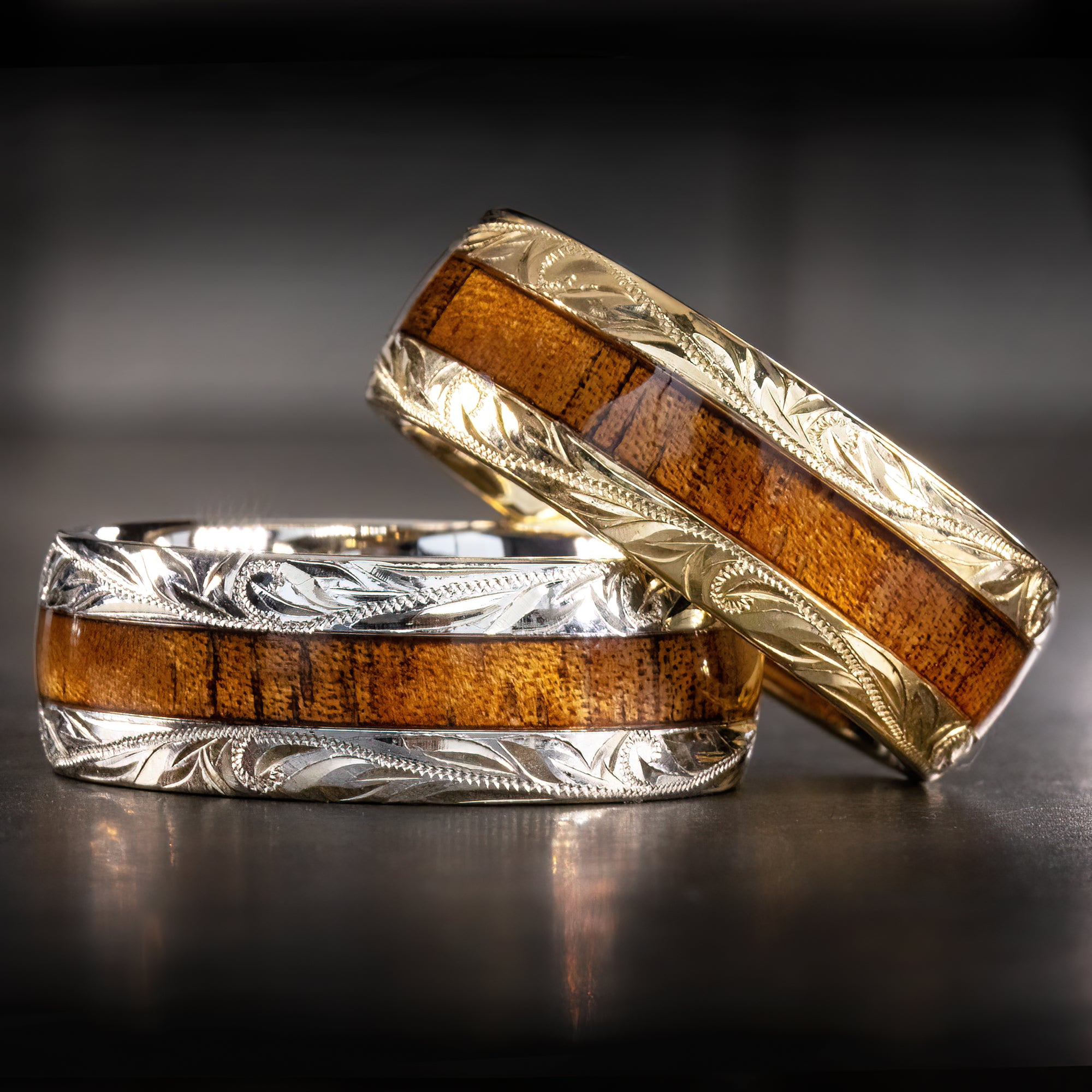
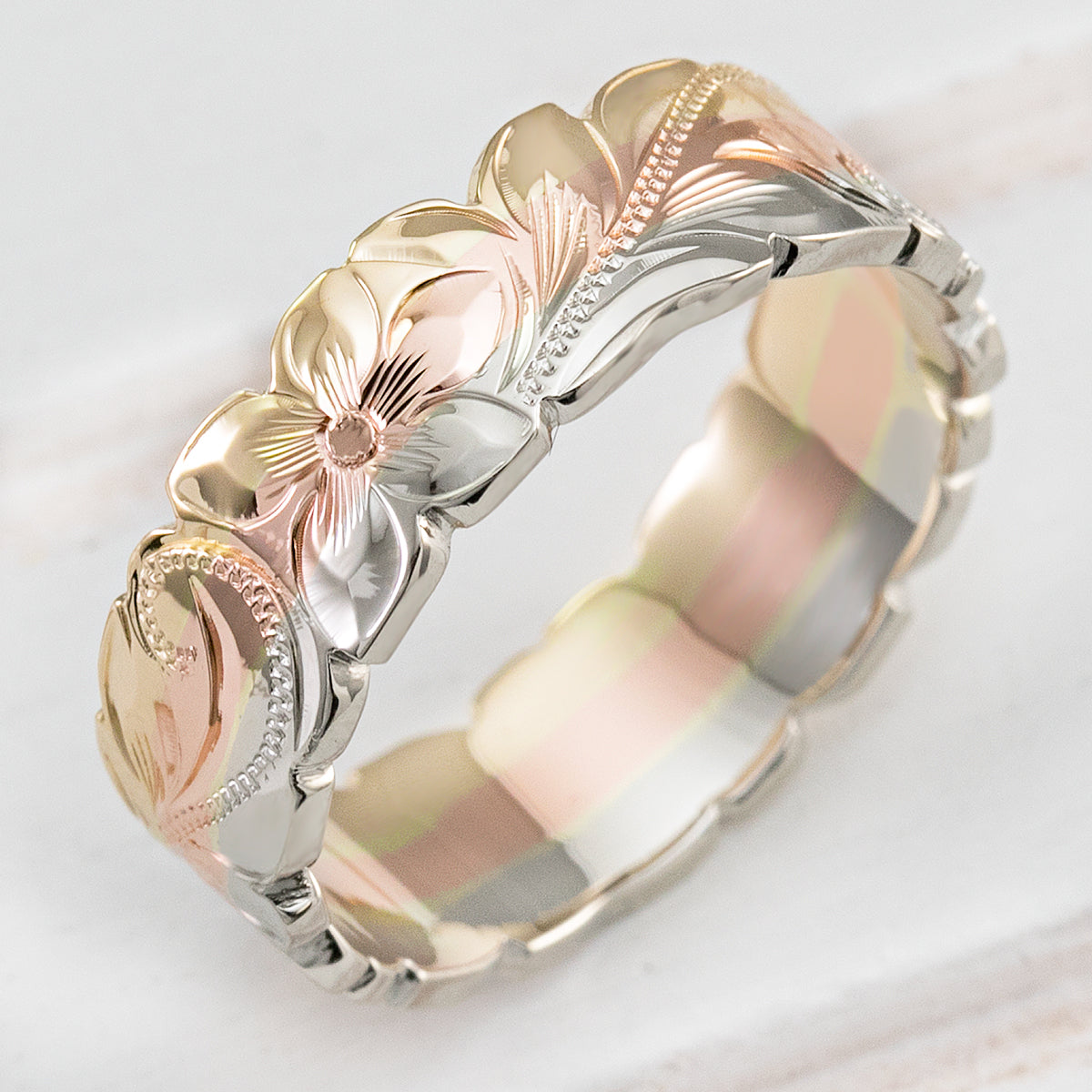
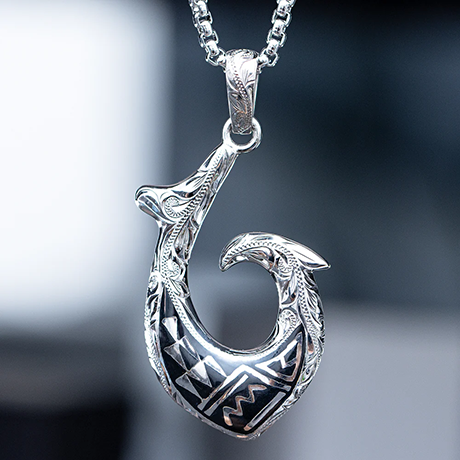
See our collection of jewelry featuring honu and other Hawaiian symbols.

Key Takeaways
-
Honu are endangered green sea turtles that symbolize wisdom, good luck, and endurance in Hawaiian culture
-
These ancient creatures have lived in Earth's oceans for over 200 million years and are now protected by law
-
Respectful observation without touching or disturbing honu helps protect this cherished species for future generations
What Is Honu?
Honu is the Hawaiian word for the green sea turtle, a marine reptile that holds deep meaning in Hawaiian culture and lives in the waters around the Hawaiian Islands. These turtles are known for their size, their green-tinted shells, and their importance to Hawaiian traditions.
Meaning and Etymology
The word "honu" comes from the Hawaiian language and specifically refers to the green sea turtle. In Hawaiian culture, honu represents good luck, wisdom, and longevity. These turtles appear in ancient Hawaiian stories and artwork, including petroglyphs carved into rock.
We find honu mentioned in the Kumulipo, which is the Hawaiian creation chant. According to this sacred text, the honu was created in the realm of pō, the place of darkness where life begins and spirits return.
Some Hawaiian families consider honu to be their 'aumākua, or guardian spirit. This spiritual connection makes the turtle more than just an animal. It serves as a link between people and the ocean, carrying spiritual significance that has been passed down through many generations.
Distinguishing Physical Features
The Hawaiian green sea turtle has a greenish-brown colored shell that sets it apart from other marine animals. These turtles are the largest hard-shelled sea turtle species in Hawaii. An adult honu can weigh up to 500 pounds.
The shell is smooth and oval-shaped. Despite their name, the "green" in green sea turtle actually refers to the color of their fat, not their shell. Their flippers are paddle-shaped, which helps them swim through the ocean with ease.
These turtles can live for several decades. They have been around for over 200 million years as a species, making them one of the oldest creatures still living today.
Honu vs. Other Sea Turtles
We need to understand that honu are specifically green sea turtles, which differ from other sea turtle species in several ways. Hawaii is home to other sea turtle species, including the hawksbill turtle, which Hawaiians call honu'ea.
Green sea turtles are larger than hawksbill turtles and have different diets. Honu feed mainly on seagrass and algae in coral reefs, while hawksbill turtles eat sponges. The shell shape also differs between species, with hawksbills having a more pointed beak.
The scientific name for honu is Chelonia mydas. This species is listed as endangered in Hawaiian waters, which means they receive legal protection. We can find them nesting on remote beaches and swimming near coral reefs along the coastline.

Honu in Hawaiian Culture
The honu serves as a sacred guardian in Hawaiian tradition, representing wisdom and spiritual protection while appearing throughout ancient stories and modern artistic expressions.
Spiritual and Symbolic Significance
We recognize the honu as one of the most revered symbols in Hawaiian spirituality. Native Hawaiians view these sea turtles as 'aumakua, or family guardians that protect and guide their descendants. The honu embodies several important qualities that reflect core Hawaiian values.
Key Symbolic Meanings:
-
Longevity - Honu can live over 80 years, making them symbols of long life
-
Wisdom - Their ancient presence and slow, deliberate movements represent knowledge
-
Safe passage - The honu guides travelers safely through ocean waters
-
Good fortune - Spotting a honu brings blessings and positive energy
In traditional Hawaiian belief, the honu connects the physical world to the spiritual realm. The turtle's ability to navigate between land and sea mirrors the connection between earthly life and ancestral spirits.
Hawaiian families often have specific honu as their 'aumakua, creating a sacred bond passed down through generations.
Role in Hawaiian Mythology
We find the honu woven throughout Hawaiian legends and oral traditions. One significant story tells of Kauila, a large honu who could transform into human form to watch over children playing near the shore. This shape-shifting ability appears in multiple Hawaiian myths, showing the deep spiritual power attributed to these creatures.
The honu also appears in stories about navigation and ocean knowledge. Ancient Hawaiians observed how sea turtles traveled across vast ocean distances, using this knowledge to inform their own voyaging practices. We see this reflected in chants and mo'olelo (stories) that honor the honu's wisdom about ocean currents and safe harbors.
Traditional practices included strict kapu (sacred rules) governing interactions with honu. These restrictions reflected the turtle's protected status and spiritual importance in Hawaiian society.
Artistic Representations
We observe honu imagery throughout traditional and contemporary Hawaiian art forms. Ancient petroglyphs carved into lava rock frequently feature turtle designs, some dating back hundreds of years.
These rock carvings marked important coastal sites and demonstrated the honu's cultural prominence.
Modern Hawaiian artists continue this tradition through various mediums. We see honu motifs in:
-
Wood carvings and tiki sculptures
-
Jewelry designs in metals and natural materials
-
Traditional kapa (bark cloth) patterns
-
Tattoo art incorporating Polynesian design elements
-
Paintings and print work
The curved shell pattern of the honu provides a distinctive visual element that artists adapt across different styles. Hawaiian naming practices also reflect the honu's cultural importance, with families incorporating turtle-related words into children's names to invoke the creature's protective qualities.

Biology and Habitat
Honu are marine reptiles with distinct physical characteristics and complex life patterns that span across vast ocean territories. These turtles breathe air through lungs, possess scales, and return to land exclusively for nesting.
Species Classification
The Hawaiian green sea turtle belongs to the species Chelonia mydas. We classify honu as the largest hard-shelled sea turtle species in the world. These marine reptiles reach lengths of approximately four feet and can weigh between 300 to 350 pounds at maturity.
Honu are one of seven sea turtle species found globally. In Hawaiian waters, they represent the most commonly encountered sea turtle species. Their carapace ranges in color from brown with yellow and light brown streaks to solid black. The shell has a distinctive heart-shaped appearance that helps us identify them from other sea turtle species.
As reptiles, honu maintain several key characteristics. They breathe air rather than extracting oxygen from water like fish. They have protective scales covering their bodies. They lay eggs on land despite spending most of their lives in the ocean.
Preferred Habitats and Range
Honu are migratory animals that travel hundreds or thousands of miles between different habitats. Over 95% of the Hawaiian green sea turtle population nests at French Frigate Shoals in Papahānaumokuākea Marine National Monument. The main Hawaiian Islands serve primarily as foraging grounds where turtles feed and bask on beaches.
We observe limited nesting activity in the main islands, though it does occur. Nearshore coral reefs represent critical foraging habitat for these turtles. Honu frequent shallow shores where they can access their preferred food sources. Beaches throughout the islands serve as important basking sites where turtles rest and regulate their body temperature.
Their life cycle encompasses many different habitats at various growth stages. Juvenile and adult turtles utilize separate areas based on their developmental needs and feeding requirements.
Diet and Feeding Patterns
Adult honu are primarily herbivorous feeders. They consume various species of macroalgae, known locally as limu, which forms the foundation of their diet. We find them grazing along shallow shores and reef areas where these seaweeds grow abundantly.
While honu prefer plant-based foods, they occasionally consume other items. They eat jellyfish and small invertebrates as supplemental food sources. This dietary flexibility allows them to adapt to changing food availability in their environment.
Nearshore coral reefs provide the key foraging habitat where honu find their food. We observe them returning to these same feeding areas repeatedly throughout their lives. The abundance and health of limu populations directly impact the nutritional status and survival of Hawaiian green sea turtles.
Life Cycle and Behavior
Hawaiian green sea turtles follow a complex life cycle that spans decades and crosses vast ocean distances. Female honu return to their birth beaches to nest every 2-3 years, while juveniles spend years drifting in open ocean currents before settling in coastal feeding areas.
Breeding and Nesting Habits
Female honu reach sexual maturity between 25-35 years of age. When ready to nest, they travel long distances back to the same beaches where they were born.
Nesting occurs primarily at night. Females haul themselves onto sandy beaches, dig a nest cavity with their rear flippers, and deposit their eggs. A single female can lay 100-200 eggs per nesting season. The eggs incubate in the warm sand for approximately two months.
After the incubation period ends, hatchlings emerge together at night. They instinctively make their way to the ocean, facing numerous predators during this vulnerable journey. Temperature during incubation determines the sex of hatchlings, with warmer sand producing more females.
Migration Patterns
Green sea turtles are known for their extensive migrations between feeding and nesting grounds. Adult females may travel hundreds or even thousands of miles from their regular feeding areas to reach nesting beaches.
These migrations follow consistent routes that honu use repeatedly throughout their lives. We observe that turtles navigate using Earth's magnetic field, ocean currents, and possibly visual landmarks. Males also migrate to breeding areas but do not come ashore like females do.
Juvenile Development
After hatching, young turtles enter what researchers call "the lost years." During this period, juveniles drift in ocean currents and feed in open waters. This pelagic phase can last 5-10 years.
Juveniles feed on a variety of organisms while in open ocean. As they grow larger, they transition to coastal habitats where they adopt a primarily vegetarian diet of algae and seagrass. This shift typically occurs when their shells reach 8-10 inches in length.
The transition from open ocean to coastal waters marks a critical change in their behavior and ecology. Young turtles settle into specific feeding areas where they will spend most of their adult lives.

Conservation Status
The honu faces ongoing threats from human activity and environmental changes, though dedicated conservation programs in Hawaii and international protections work to ensure its survival. Hawaiian green sea turtles remain listed as endangered under federal law despite recent population increases.
Threats to Honu
Climate change poses the most significant long-term threat to honu populations. Rising sea levels threaten to flood nesting beaches where female turtles lay their eggs. Higher sand temperatures from global warming can also skew the sex ratio of hatchlings, since temperature determines whether eggs develop into males or females.
Human activities create additional dangers for these turtles. Fishing gear entanglement injures or kills honu when they become caught in nets and lines. Marine debris, especially plastic, can be mistaken for food and cause internal injuries or death.
Coastal development reduces available nesting habitat. Boat strikes injure turtles in areas with heavy marine traffic. Despite legal protections, some honu still face harassment from people who get too close while swimming or resting on beaches.
Conservation Efforts in Hawaii
The Pacific Islands Coastal Program partners with community volunteers to monitor and protect honu nesting sites on Oahu. We document nest locations, track hatchling success rates, and guard nests from predators and human disturbance.
Local conservation groups respond to stranded turtles and conduct research to better understand population health. Education and outreach programs teach residents and visitors how to safely observe honu without causing stress or harm.
Native Hawaiian cultural values play an important role in conservation. Many families view honu as their 'aumākua or spiritual guardian, creating a cultural foundation for protection efforts that goes back centuries.
International Protection Measures
Federal law lists Hawaiian green sea turtles as endangered, making it illegal to harm, harass, or kill them. This designation provides the strongest legal protections available under the Endangered Species Act.
The honu also receives protection under international agreements that regulate trade in endangered species. These laws prevent the commercial sale of turtle products across borders. Marine protected areas restrict certain activities in key feeding and nesting habitats to minimize human disturbance.
How to Encounter Honu Responsibly
When we encounter honu in their natural habitat, we must maintain proper distance and follow specific guidelines to protect these threatened creatures. The best viewing locations are found on Oahu and Maui, where ecotourism plays a vital role in conservation efforts.
Guidelines for Observing Honu
We must stay at least 10 feet away from honu at all times, whether they are swimming or resting on the beach. This distance prevents stress to the turtles and keeps us safe from potential fines under federal law.
Key rules we follow:
-
Never touch, chase, or ride sea turtles
-
Avoid blocking their path to the ocean
-
Keep voices low and movements calm
-
Do not feed honu or throw objects near them
-
Use reef-safe sunscreen to protect their habitat
We should never surround a turtle while snorkeling. If a honu swims toward us, we remain still and let it pass naturally. When turtles rest on shore, we observe from a respectful distance and avoid taking flash photography.
Popular Locations for Sightings
Laniakea Beach on Oahu's North Shore offers reliable honu sightings, especially during afternoon hours when turtles come ashore to bask. Turtle Canyon near Waikiki provides excellent snorkeling opportunities with green sea turtles.
On Maui, we find honu at Leleiwi Beach Park and Maluaka Beach. These locations have calm waters that make observation easier. Electric Beach on Oahu attracts turtles due to warm water outflows.
We recommend visiting these spots during early morning or late afternoon. Weekday visits typically have fewer crowds, which creates a calmer environment for both turtles and observers.
Role of Ecotourism
Ecotourism operators educate visitors about honu conservation while generating funds that support protection programs. We choose tour companies that follow wildlife guidelines and limit group sizes.
Sustainable tours employ local guides who understand honu behavior and cultural significance. These businesses contribute to research efforts and beach cleanup initiatives. Revenue from responsible tourism helps fund nest monitoring and habitat restoration projects.
We verify that tour operators maintain proper distances and avoid practices that disturb wildlife. Certified eco-tours teach us about threats facing honu, including plastic pollution and climate change impacts on nesting beaches.
Honu in Contemporary Hawaiian Life
The honu continues to play an active role in modern Hawaii through education initiatives, community protection efforts, and its presence in art and commercial products.
Educational Programs
Schools across Hawaii incorporate honu into their science and cultural curricula. Students learn about sea turtle biology, life cycles, and migration patterns through hands-on programs and beach field trips. Many marine education centers offer programs where children can observe honu in protected areas while learning about conservation.
The National Oceanic and Atmospheric Administration partners with local organizations to teach students about honu recovery efforts. These programs explain how green sea turtles were once endangered and how protection laws helped populations recover. Students also learn traditional Hawaiian values associated with honu, connecting modern conservation with cultural heritage.
Community Involvement
Local communities actively participate in honu protection through beach cleanups and nest monitoring. Volunteers track nesting sites, help guide hatchlings to the ocean, and report injured turtles to wildlife officials. Beach signs remind visitors to maintain safe distances from resting honu.
Community groups work with hotels and businesses to reduce light pollution that can disorient hatchlings. We see neighborhood watch programs that protect nesting beaches during critical seasons. Many residents consider themselves stewards of honu, viewing their protection as both a legal responsibility and a cultural obligation.
Use in Modern Art and Merchandise
Artists create honu-inspired works in traditional and contemporary styles. Wood carvers craft turtle sculptures using native koa wood. Jewelers design honu pendants, earrings, and bracelets in metals and natural materials.

We find honu imagery on:
-
Clothing and textiles - shirts, sarongs, quilts
-
Home decor - wall art, pottery, garden statues
-
Accessories - jewelry, bags, phone cases, keychains
-
Body art - tattoos symbolizing wisdom and resilience
Local artists often incorporate traditional Hawaiian design elements with honu motifs. These pieces serve as both cultural expressions and tourist souvenirs, keeping honu symbolism present in daily island life.
Frequently Asked Questions
Honu refers to the green sea turtle in Hawaiian language and culture. These marine reptiles hold deep spiritual significance in Hawaii and are protected by law from human contact.
What does honu mean?
Honu is the Hawaiian word for the green sea turtle. In Hawaiian culture, this word carries special meaning beyond just naming an animal.
The honu represents longevity, wisdom, and guidance in Hawaiian traditions. Native Hawaiians consider this creature sacred and deeply symbolic in their cultural beliefs.
Is honu a turtle?
Yes, honu is a turtle. Specifically, it refers to the green sea turtle that lives in Hawaiian waters.
Green sea turtles are marine reptiles that can weigh between 200 and 400 pounds when fully grown. They have a smooth, olive-colored shell and paddle-like flippers that help them swim through ocean waters.
We can find these turtles in coastal areas around the Hawaiian Islands. They often come to shore to rest on beaches.
Why can't you touch sea turtles when snorkeling?
Touching sea turtles is illegal under federal and state laws. The U.S. Endangered Species Act protects green sea turtles, making it a violation to harass or touch them.
Human contact can harm sea turtles in several ways. It disrupts their natural behavior and causes them stress.
Touching these animals can also transfer harmful bacteria from human hands to their skin. We must maintain a distance of at least 10 feet from sea turtles in the water and on land.
How is honu pronounced?
Honu is pronounced "hoe-new" in Hawaiian. The first syllable sounds like the garden tool "hoe," and the second syllable sounds like the word "new."
Each vowel in Hawaiian gets pronounced separately. We don't blend the sounds together like we might in English words.