


Ultimate Guide to Plumeria in Hawaii
You’ll spot Hawaiian plumeria by its creamy, fragrant blooms and glossy leaves, and you can grow it in a sunny spot or a bright container. Plumeria gives you long-lasting flowers, a sweet scent, and easy-care habits that make it a top choice for leis, gardens, and patios.
We’ll show you what plumeria is, why it matters in Hawaiian culture, and how to keep it thriving with simple steps.
We also share practical tips on soil, sun, watering, pruning, and common problems so you can avoid mistakes and enjoy more blooms. Explore uses, quick facts, and sustainability ideas so you can celebrate these flowers responsibly and confidently.
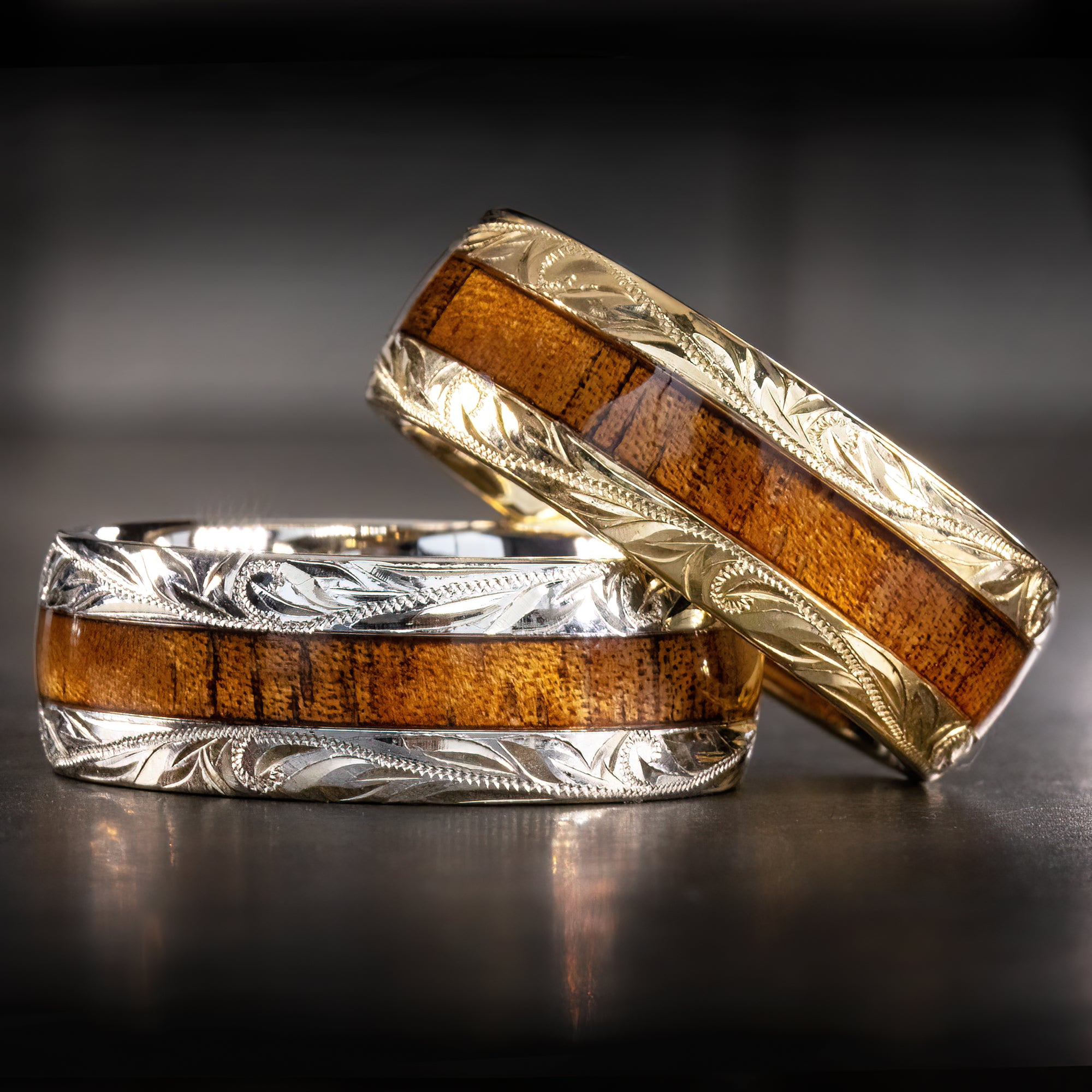
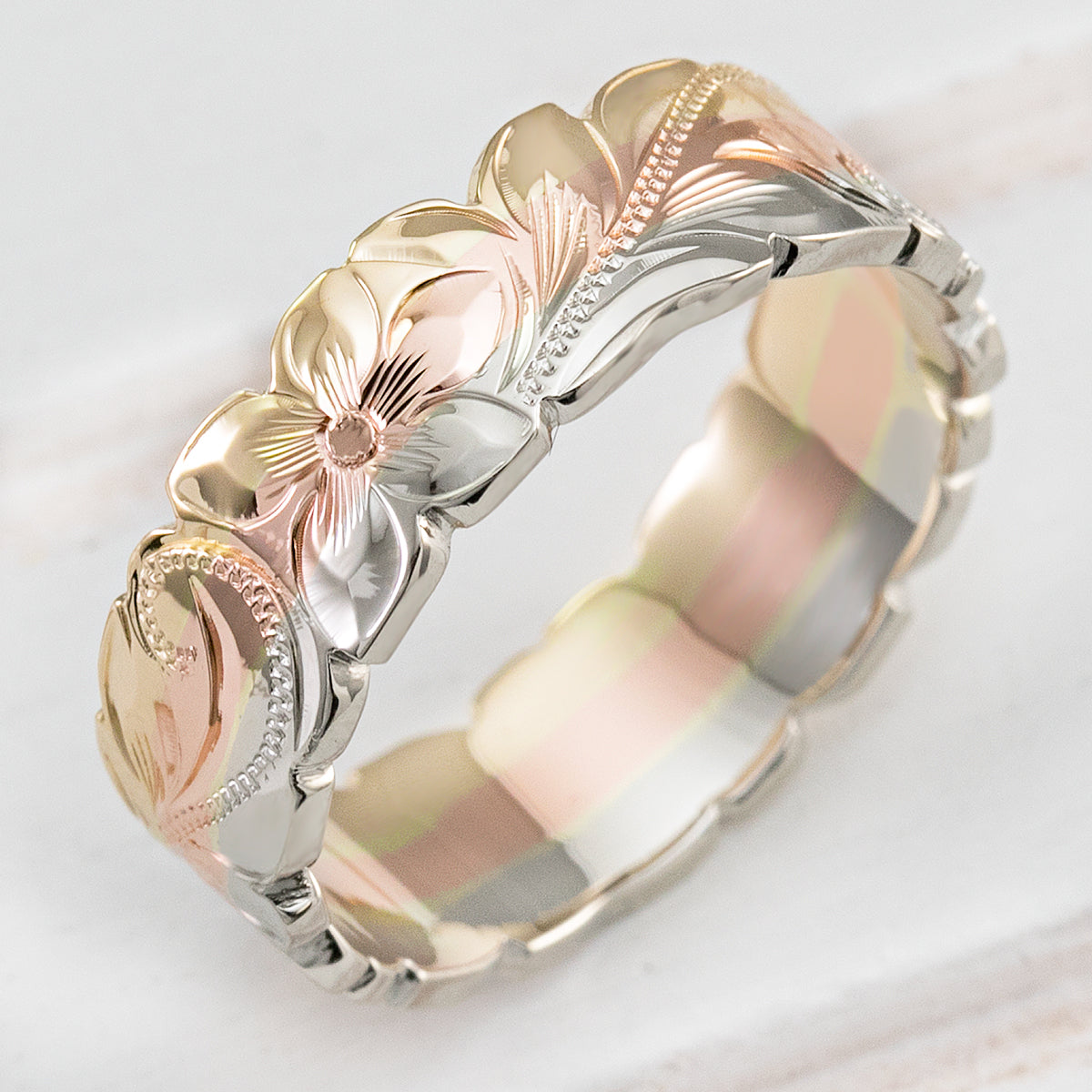
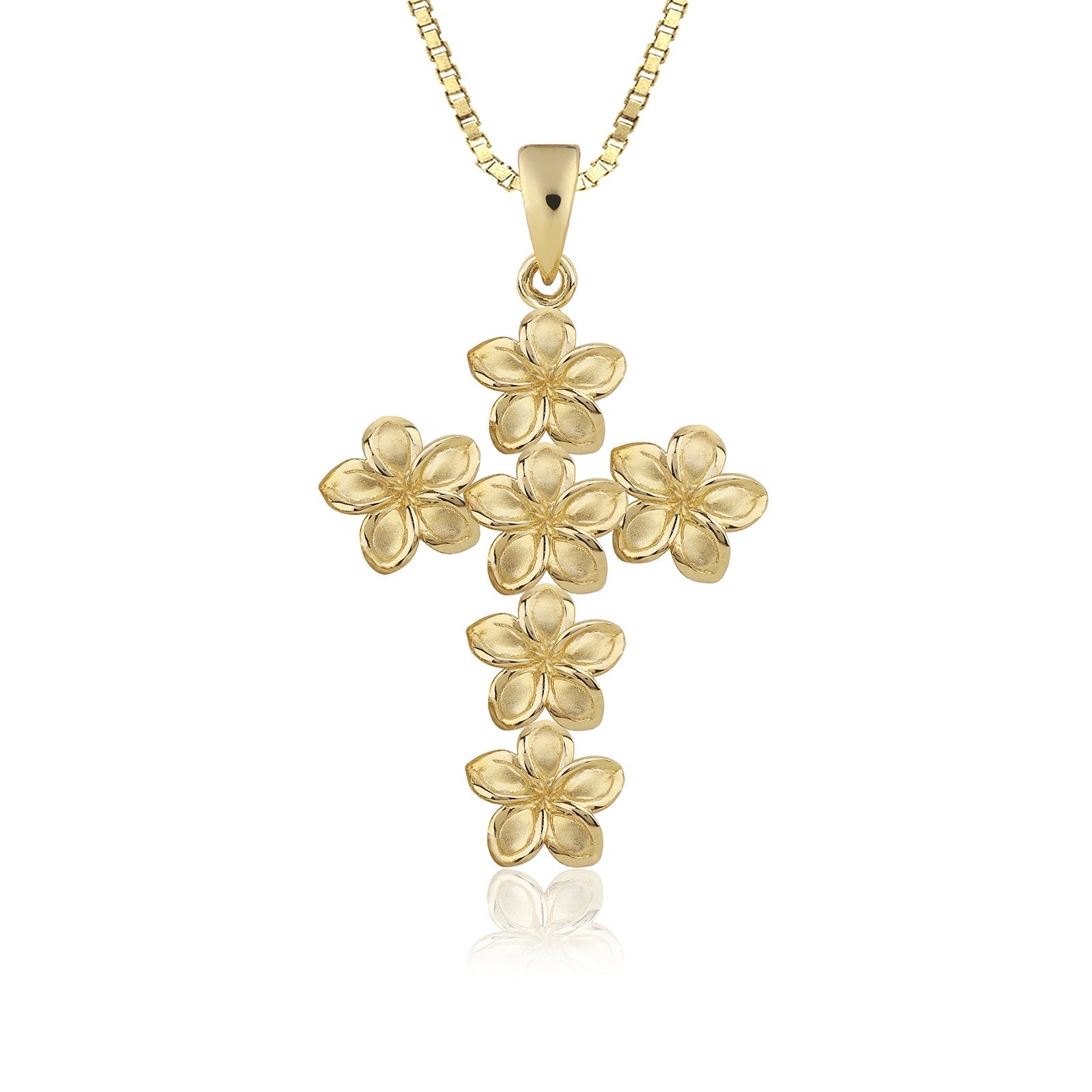
Visit our collection to find the perfect piece of plumeria jewelry for you.

Key Takeaways
-
Plumeria offers fragrant, showy blooms and thrives in bright, well-drained conditions.
-
Simple care—proper light, watering, and pruning—boosts flowering and plant health.
-
Cultural meaning, uses, and sustainable choices add value beyond the garden.
What Is Hawaiian Plumeria?
We describe the plant’s look, common kinds you’ll see in Hawaii, and where it originally comes from. Expect details about flowers, growth habit, popular varieties, and native range.
Botanical Description
Plumeria are small, deciduous trees or large shrubs with a stout, often gnarled trunk and thick, fleshy branches. Leaves grow in clusters at branch tips; they are long, leathery, and can reach 12–24 inches (30–60 cm) depending on the variety.
Flowers form in terminal clusters and are five-petaled, often with a rounded, overlapping shape. Colors include white, yellow, pink, red, and bi-colors. The blooms give a strong, sweet fragrance most evenings and mornings, which makes them popular for leis (flower necklaces).
Plumeria produce a milky sap when cut. They go dormant in cooler months in non-tropical climates. In Hawaii, they commonly bloom several times a year and can reach 10–20 feet (3–6 m) tall in good conditions.
Varieties of Hawaiian Plumeria
We commonly see many named cultivars in Hawaii, each selected for color, scent, or petal shape. Popular ones include ‘Mile High’ (yellow center, white petals), ‘Celadine’ (bright yellow), and ‘Golden Plumeria’ types used widely for leis.
Cultivars vary by flower size, scent strength, and bloom season. Some have broad, flat petals; others have narrow or twisted petals. We choose varieties for landscaping, cut-flower use, or lei-making based on longevity of bloom and fragrance.
Many Hawaiian growers maintain collections with dozens of named varieties. Nurseries and hobbyists trade cuttings a lot, so local lists often include hybrid forms not commonly found elsewhere.
Native Regions
Plumeria species originated in the Americas — primarily Mexico, Central America, and the Caribbean. They were carried across the Pacific by humans and are now naturalized in tropical and subtropical islands, including Hawaii.
In Hawaii, plumeria thrive from coastal areas up to about 2,000 feet (610 m) elevation. The islands’ warm temperatures and dry-summer microclimates suit many cultivars. While not native to Hawaii, plumeria has become culturally and horticulturally central there, grown in home gardens, public spaces, and for commercial lei production.

Symbolism and Cultural Significance
Plumeria carries deep meaning in Hawaii tied to love, welcome, and spiritual practice. We focus on how people use the flower in daily life, worship, and ceremonial crafts.
Role in Hawaiian Traditions
Plumeria became common in Hawaiian gardens by the 1800s and quickly joined local customs. We see it in hula performances, as adornment for dancers, and at community celebrations.
Families place plumeria near homes and temples to mark beauty and hospitality. The plant’s scent and bright colors signal warmth and welcome to guests.
Tour guides, cultural practitioners, and kupuna (elders) often point to plumeria as a visual sign of aloha. We note its use during birthdays, weddings, and memorials, where it bridges personal memory and shared community values.
Spiritual Meanings
Plumeria links to ideas of life, death, and renewal across the islands. We hear stories that associate the flower with the soul’s journey and with honoring ancestors.
Some practitioners use plumeria in offerings or shrine spaces to show respect and ask for guidance. The flower’s brief bloom life also reminds people to value each moment.
Color matters in spiritual use: white often connects to purity and prayer, while yellow or pink may relate to love and joy. We avoid universal claims, recognizing meanings vary by family and island.
Use in Lei Making
Plumeria is a top choice for leis because it stays fragrant and threads well. We find leis made from single-color plumeria, mixed blooms, or combined with foliage for texture.
Crafting a plumeria lei can be simple or finely detailed. Vendors and lei-makers select sturdy stems and time collection for peak scent and durability.
Wearing a plumeria lei carries social cues: we know a lei placed over the left shoulder signals a romantic relationship, while placement and style can indicate celebration, welcome, or mourning. Leis remain a portable form of cultural expression across Hawaii.

How to Grow Hawaiian Plumeria
We focus on sun, soil, water, and pruning to keep plumeria blooming. Proper site choice and regular care help plants thrive and produce fragrant flowers.
Best Growing Conditions
We plant plumeria where they get 6–8 hours of direct sun daily. In Hawaii-like climates, full sun produces the most blooms; in cooler zones, provide morning sun and afternoon protection.
Soil must drain fast. We use a mix of 50% coarse sand or perlite and 50% loam or potting mix to prevent root rot. pH around 6.5–7.0 works well.
Temperature should stay above 50°F (10°C). Plumeria tolerate heat; they do poorly with hard frosts. In containers, we move plants indoors when nights drop near 50°F.
Propagation Methods
We most often use cuttings. Take 12–18 inch healthy stems, let the cut end dry for 1–2 weeks, then root in gritty mix. Rooting hormone speeds results but is optional.
Seed propagation works but delays flowering by several years. Seedlings give genetic variety; cuttings keep parent traits and bloom within 1–2 years.
Grafting can combine a hardy rootstock with a prized variety. We graft when rootstocks are 1–2 years old to improve cold tolerance or disease resistance.
Essential Care Tips
Water deeply but infrequently. We water when the top 2 inches of soil are dry. Overwatering causes yellow leaves and root rot.
Fertilize during the growing season with a high-phosphorus formula (e.g., 10-30-10) every 2–4 weeks to encourage blooms. Reduce feeding in fall and stop in winter dormancy.
Prune in late winter or early spring to shape the tree and remove dead wood. Make clean cuts and seal large wounds if needed to reduce sap loss and pests.
Watch for pests: scale, mealybugs, and spider mites. We treat infestations with insecticidal soap or horticultural oil. For root problems, check drainage and repot into fresh mix.

Common Challenges and Solutions
We face two main problems with Hawaiian plumeria: pests and diseases, and growth issues like yellowing leaves, poor blooms, and weak stems. Each problem has clear signs and steps we can take to fix it.
Pests and Diseases
Plumeria often attract scale, mealybugs, spider mites, and whiteflies. We look for sticky honeydew, sooty mold, or tiny cottony clusters on stems and leaf joints. For light infestations, we wipe insects off with a soft cloth dipped in soapy water or use a 70% isopropyl alcohol swab on affected spots.
For heavier infestations, we apply insecticidal soap or horticultural oil, following label rates and repeating every 7–10 days until pests drop. Systemic insecticides can help persistent scale, but we use them sparingly and as directed.
Fungal problems like rust or black tip show as discolored spots or leaf drop. We remove infected leaves and improve air flow by pruning crowded branches. Fungicides with chlorothalonil or copper can control severe infections. Always dispose of infected plant material away from the garden.
Troubleshooting Growth Problems
Yellow leaves often point to overwatering, poor drainage, or nutrient imbalances. We check soil moisture first: if the soil stays wet for more than a few days, we cut back watering and raise the plant to improve drainage. For container plants, we repot into a fast-draining mix with pumice or perlite.
Sparse blooms and weak stems usually mean not enough sun or low phosphorus. We move plumeria to a spot with at least 6 hours of direct sun and feed with a low-nitrogen, bloom-boosting fertilizer (look for an N-P-K like 10-30-10). Prune in early spring to remove leggy growth and encourage branching.
If growth stalls after moving or repotting, check roots for rot or pests. Trim rotten roots, let cut surfaces dry a day, then repot into fresh mix. We keep records of watering, fertilizer, and bloom times to spot recurring issues.

Uses and Applications of Hawaiian Plumeria
We describe how plumeria serves gardens, scents, and a few food uses. Each use links to practical care, scent extraction, or safe culinary practice.
Ornamental Landscaping
We use plumeria as focal plants in yards, entryways, and near patios because of their bright blooms and glossy leaves. They grow well in containers and garden beds where drainage is good and the plants get at least six hours of sun daily.
Plumeria tolerate heat and need regular watering in growth season, then less water in dormancy. We prune them to shape canopies and encourage branching; cut just above a healthy node to reduce dieback.
Common placements include lining walkways, framing lanais, or clustering near seating areas so fragrance carries to guests. We choose cultivars by flower color and size—white and yellow for classic leis, pink or red for bold accents. In Hawaii, some older varieties also appear in cemetery plantings, so placement can carry cultural meaning.
Fragrance and Essential Oils
We harvest plumeria flowers for their strong, sweet scent, which suits perfumes, candles, and skincare. Flowers release the most fragrance in the evening and early morning, so we pick blossoms then for highest aromatic intensity.
Commercial plumeria oil is usually made by solvent extraction or enfleurage because the scent compounds do not distill well with steam. Small-scale makers often infuse oil or alcohol with fresh petals to capture aroma for lotions and hair oil.
We store extracts in dark, cool containers to keep scent stable. When using plumeria scent in products, we blend it with citrus, bergamot, or vanilla to balance sweetness. Always patch-test skin products, since concentrated floral extracts can cause irritation for some people.
Culinary Uses
We note that plumeria is not a common food crop and some species contain mild toxins; we therefore use it cautiously in cuisine. In Hawaii, plumeria petals appear as garnishes on desserts or cocktails where they add color and fragrance but are typically not eaten in large amounts.
For safe use, we rinse petals and remove the base stem. We avoid using petals from plants treated with pesticides. Some cooks make simple floral syrups or infuse sugar with petals for short-term use, refrigerating these preparations and using them within a few days.
If anyone plans to eat plumeria regularly, we recommend checking the specific cultivar and consulting reliable sources, because reactions vary by species and preparation.
Conservation and Sustainability
We focus on protecting plumeria from pests, habitat loss, and genetic erosion while supporting community-led propagation and cultural use. Practical steps include pest monitoring, sharing disease-free cuttings, and protecting nursery-grown diversity.
Threats to Hawaiian Plumeria
We see several clear threats to plumeria in Hawaii. Non-native pests and fungal diseases can weaken trees and reduce flowering. Some insects, like mealybugs and scale, spread so easily in warm, humid climates that they can decimate young plants.
Habitat change also matters. Urban development, invasive plants, and altered water flow reduce space for healthy trees and limit pollinator activity. Loss of traditional sharing and localized varieties risks genetic erosion when only a few popular cultivars dominate the landscape.
Human practices can worsen issues. Moving cuttings without inspection can spread disease across islands. Overuse of chemicals in gardens can harm beneficial insects that pollinate plumeria.
Conservation Efforts
We support hands-on community programs that teach disease-free propagation and proper tree care. Field days and extension workshops provide training on rooting cuttings, pruning, and pest management.
Key practices we recommend:
-
Inspect and quarantine new cuttings for two weeks before planting.
-
Use biological controls and targeted treatments for pests.
-
Maintain diverse collections of cultivars in nurseries and home gardens.
Agencies and growers also document cultivars and share healthy material. This preserves rare varieties and keeps cultural practices like lei making alive. Working together, we can keep plumeria healthy while respecting island traditions.
Visit our collection to find the perfect piece of plumeria jewelry for you.
Frequently Asked Questions
We cover care steps, container vs. ground planting, bloom timing, and where plumerias come from. Each answer gives direct, practical steps and facts you can use in your garden.
How do you take care of a Hawaiian plumeria?
We give plumerias full sun—at least 6 hours daily—for best flowering. Use well-draining soil or a cactus mix to avoid root rot.
We water deeply during active growth, then let the top 1–2 inches of soil dry before watering again. Cut back watering in winter when the plant is semi-dormant.
We feed with a balanced fertilizer high in phosphorus every 4–6 weeks during the growing season. Prune dead branches in late winter to shape the plant and encourage new growth.
Watch for pests like spider mites and mealybugs. Treat infestations early with soap spray or neem oil and remove badly damaged growth.
Do plumerias grow better in pots or planted in the ground?
We plant plumerias in the ground where winters are mild and soil drains well; they usually grow larger and bloom more. In colder climates, pots let us move plants indoors to avoid frost damage.
We choose large pots with drainage holes when container growing. Pots dry out faster, so we check moisture more often and use a fast-draining potting mix.
How many times a year does a plumeria bloom?
We see plumerias bloom mainly during warm months, often from spring through fall. In tropical Hawaii, many varieties can bloom multiple times a year.
Bloom frequency depends on variety, light, water, and fertilizer. With good care, some plants produce several flushes of flowers in a single year.
Are plumerias only in Hawaii?
We note plumerias are not native to Hawaii; they arrived in the 1800s and became common in Hawaiian gardens. They now grow across tropical and subtropical regions worldwide.
We can also grow plumerias in pots outside the tropics and move them indoors for winter. Their cultural importance in Hawaii is strong, but the plants themselves have broader origins and distribution.