

14K vs. 18K Gold: A Complete Comparison Guide
Choosing between 14k and 18k gold comes down to understanding the balance between durability, appearance, and cost. 14k gold contains 58.3% pure gold and is more durable, making it ideal for everyday wear, while 18k gold has 75% pure gold, offering a richer color and higher value but is slightly softer.
The difference in gold content affects more than just color and price. 14k gold tends to resist scratches better, while 18k gold’s higher purity can feel more luxurious but may require extra care. People sensitive to metals might find one option better than the other based on the alloys mixed with the gold.
Understanding these points helps to make an informed choice for gold jewelry, especially engagement rings and pieces worn daily.
Visit our gold ring collection to find your perfect match!
Key Takeaways
-
14k gold is more durable and affordable than 18k gold.
-
18k gold offers a deeper color and higher gold content.
-
The right gold depends on your personal needs and style.
Understanding 14k and 18k Gold
14k and 18k gold differ mainly in how much pure gold they contain and the metals mixed with it. These differences affect durability, color, and price. Knowing these details helps choose the right gold for specific uses.
Gold Purity Explained
Gold purity is measured in karats (K). Pure gold is 24 karats, meaning 100% gold.
-
14k gold contains 58.3% pure gold.
-
18k gold contains 75% pure gold.
The rest consists of other metals called alloys. Higher karat numbers mean more gold but also softer metal. So, 18k is richer in gold but less durable than 14k. This is important for items like 14k gold rings, which face daily wear.
Alloy Composition Differences
The alloys mixed with gold give the metal strength and influence color. Copper, silver, zinc, and nickel are common alloys.
-
14k gold has about 41.7% alloy metals.
-
18k gold has about 25% alloy metals.
More alloy means harder, more durable metal. Because 14k gold has more alloys, it is stronger and better for everyday use. The type and mix of alloys also change the shade of gold. For example, more copper results in a redder tone in rose gold.
Visual Appearance Comparison
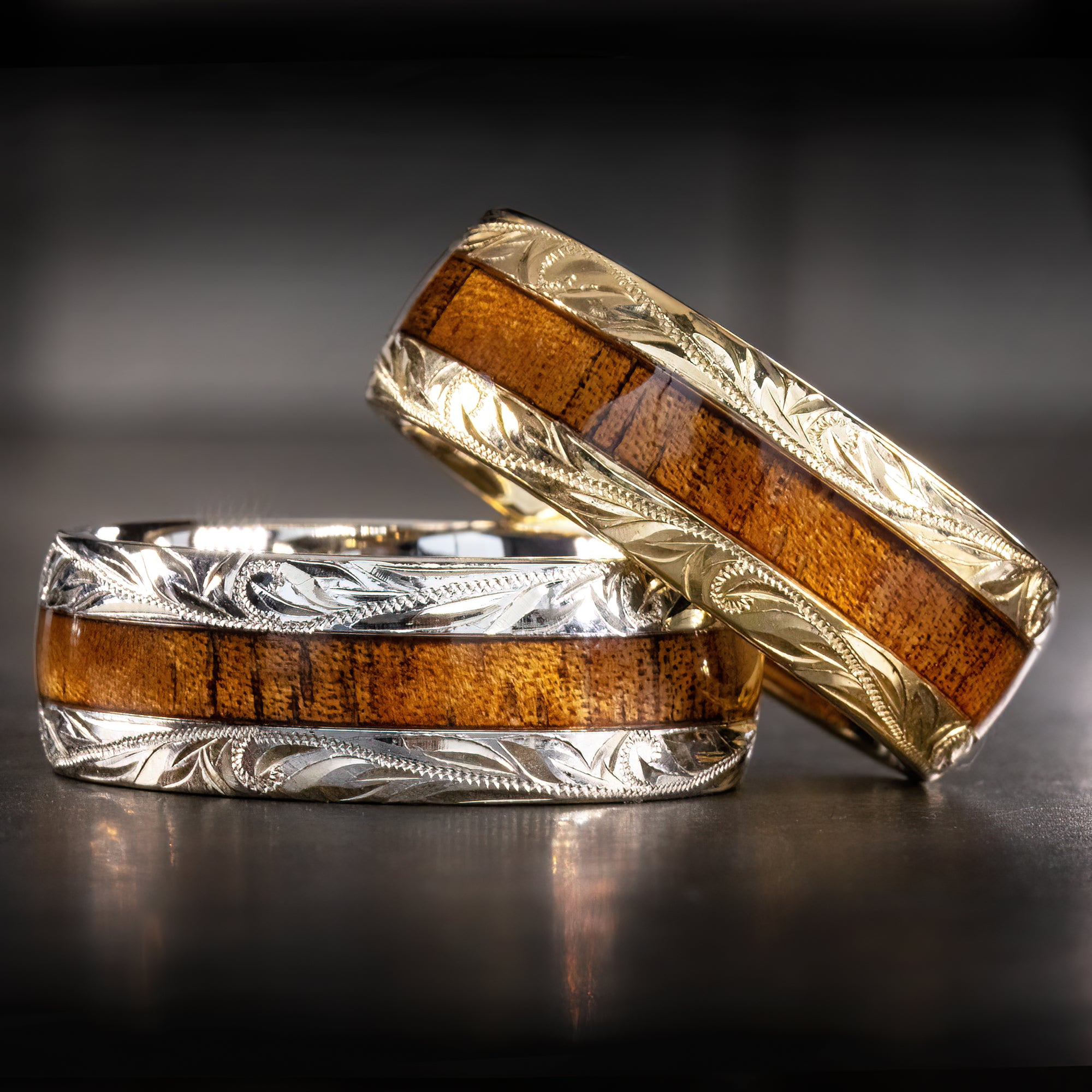
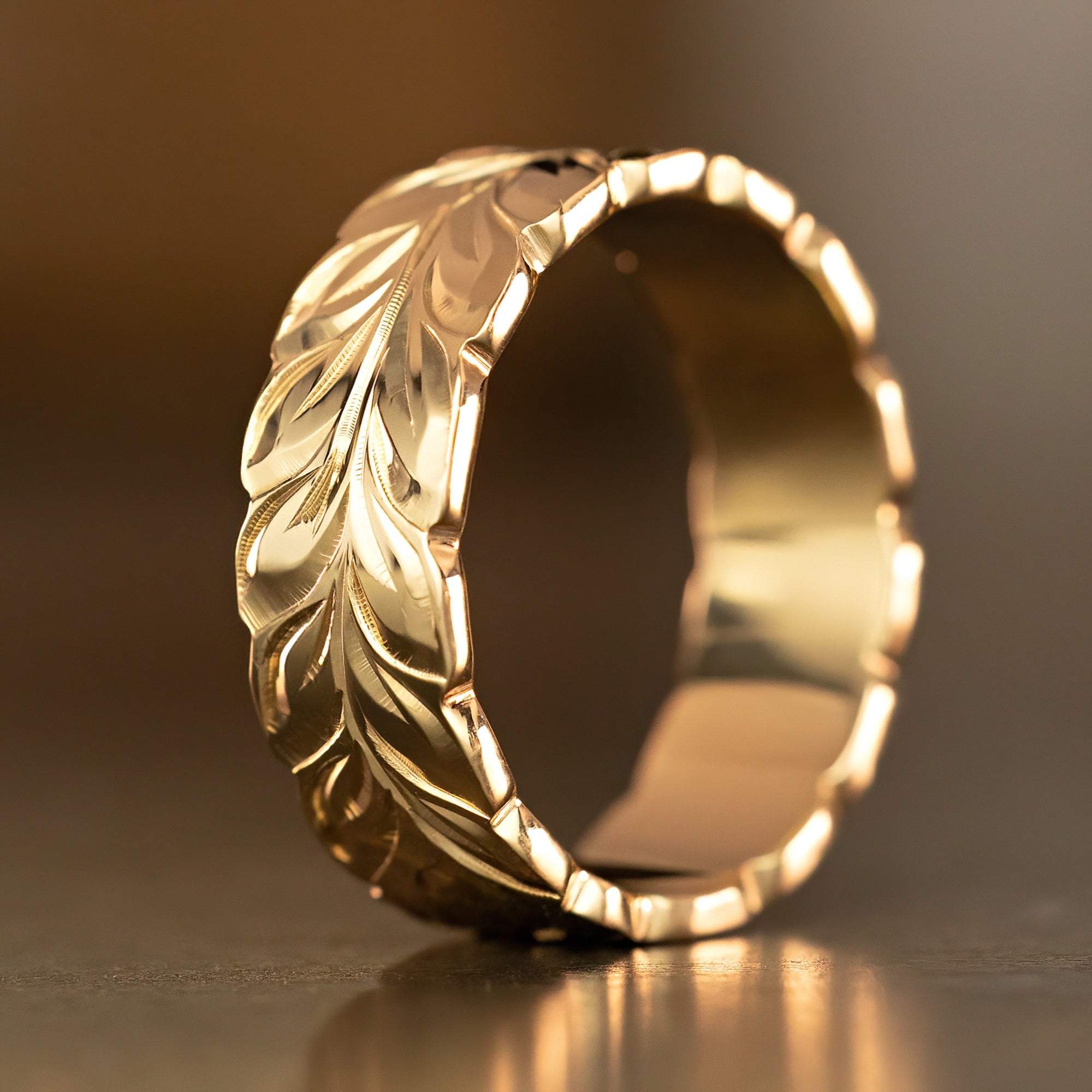
18k gold has a deeper, richer color because of its higher gold content. It looks more yellow or warm compared to 14k gold.
In contrast, 14k gold is lighter in color and may appear paler or less vibrant.
18k gold’s brightness appeals to those wanting a luxurious look, while 14k gold suits people needing tougher jewelry that still looks good. This visual difference also influences price, with 18k pieces generally costing more.

Durability and Practicality
The choice between 14K and 18K gold affects how well the jewelry holds up over time and how easy it is to wear every day. Factors like scratch resistance and metal strength play major roles in deciding which gold is better for daily use or special occasions.
Scratch and Wear Resistance
14K gold is harder and more resistant to scratches than 18K gold. This is because it contains less pure gold (58.3%) and more alloy metals like copper, silver, and zinc. These metals increase its strength and reduce surface damage.
In contrast, 18K gold is softer due to its higher pure gold content (75%). It scratches and dents more easily, especially with frequent wear. Over time, 18K gold jewelry may need more polishing to maintain its look.
If durability is a top priority, 14K gold often lasts longer without visible damage. This makes it a practical option for jewelry exposed to rough conditions.
Suitability for Everyday Wear
14K gold is generally more practical for daily wear because it resists bending and scratching better than 18K gold. Its strength helps it endure the bumps and knocks common in everyday life.
Meanwhile, 18K gold offers a richer, deeper color but requires more care to keep its shine. People who wear jewelry daily and want low maintenance prefer 14K for its durability and cost-effectiveness.
Those choosing 18K gold may do so for its color and higher value, accepting that it needs gentle handling and occasional upkeep to prevent damage from regular use.
Value and Cost Comparison
The difference in gold purity between 14K and 18K gold directly affects their prices and resale value. Understanding these factors helps buyers choose the best option for their budget and long-term worth.
Price Differences
18K gold contains 75% pure gold, while 14K gold has about 58.3%. This higher gold content makes 18K gold more expensive, typically costing 20% to 30% more per gram. The exact price varies with the market price of gold, but 18K jewelry commands a higher price because of its purity.
14K gold costs less because it includes more alloy metals which reduce the cost and increase durability. Customers with tighter budgets often prefer 14K since it offers good value and better resistance to scratches and wear.
|
Aspect |
14K Gold |
18K Gold |
|
Gold Content |
58.3% |
75% |
|
Price Difference |
Lower |
~20-30% higher |
|
Durability |
More durable due to alloys |
Softer, less durable |
Resale Considerations
When reselling, 18K gold generally holds higher value due to its greater gold content. Buyers willing to pay more for purity drive this higher resale price. However, resale value depends heavily on the condition and design of the jewelry, not just karat.
14K gold may resell for less, but it often sells faster because of its affordability and durability. People looking for everyday gold jewelry tend to choose 14K, keeping demand steady in the resale market.
Both gold types are affected by market gold prices at resale. Sellers should be aware that resale prices rarely match original retail prices, especially after wear and polishing.

Color Variations in 14k and 18k Gold
The color of gold changes depending on its purity and the metals mixed with it. Higher gold content usually results in richer hues, but this varies by gold type. The three main gold colors—yellow, white, and rose—each show different differences between 14k and 18k versions.
Yellow Gold
Yellow gold’s color is the most affected by purity. 18k yellow gold contains 75% pure gold, giving it a deeper, more vibrant yellow tone. It has a bright, warm glow that many consider classic and luxurious. The higher gold content lets the natural rich yellow shine through clearly.
In contrast, 14k yellow gold holds about 58.3% pure gold. It appears slightly paler or less intense because of the higher mix of other metals like copper and silver. While still yellow, its color is less rich and can look more muted in direct light. People who want a strong yellow color often prefer 18k for its vibrant shade.
White Gold
White gold’s color is influenced less by purity because it is usually coated with rhodium, a shiny, white metal. Both 14k and 18k white gold start as alloys mixed with metals like nickel, palladium, or silver, which create a pale, grayish base.
The difference in color between 14k and 18k white gold is subtle because rhodium plating covers the surface. Over time, the plating can wear off, revealing the slightly duller gold underneath. Higher karat gold tends to feel softer but does not show a big visible shade difference under the plating, making maintenance and replating important for both.
Rose Gold
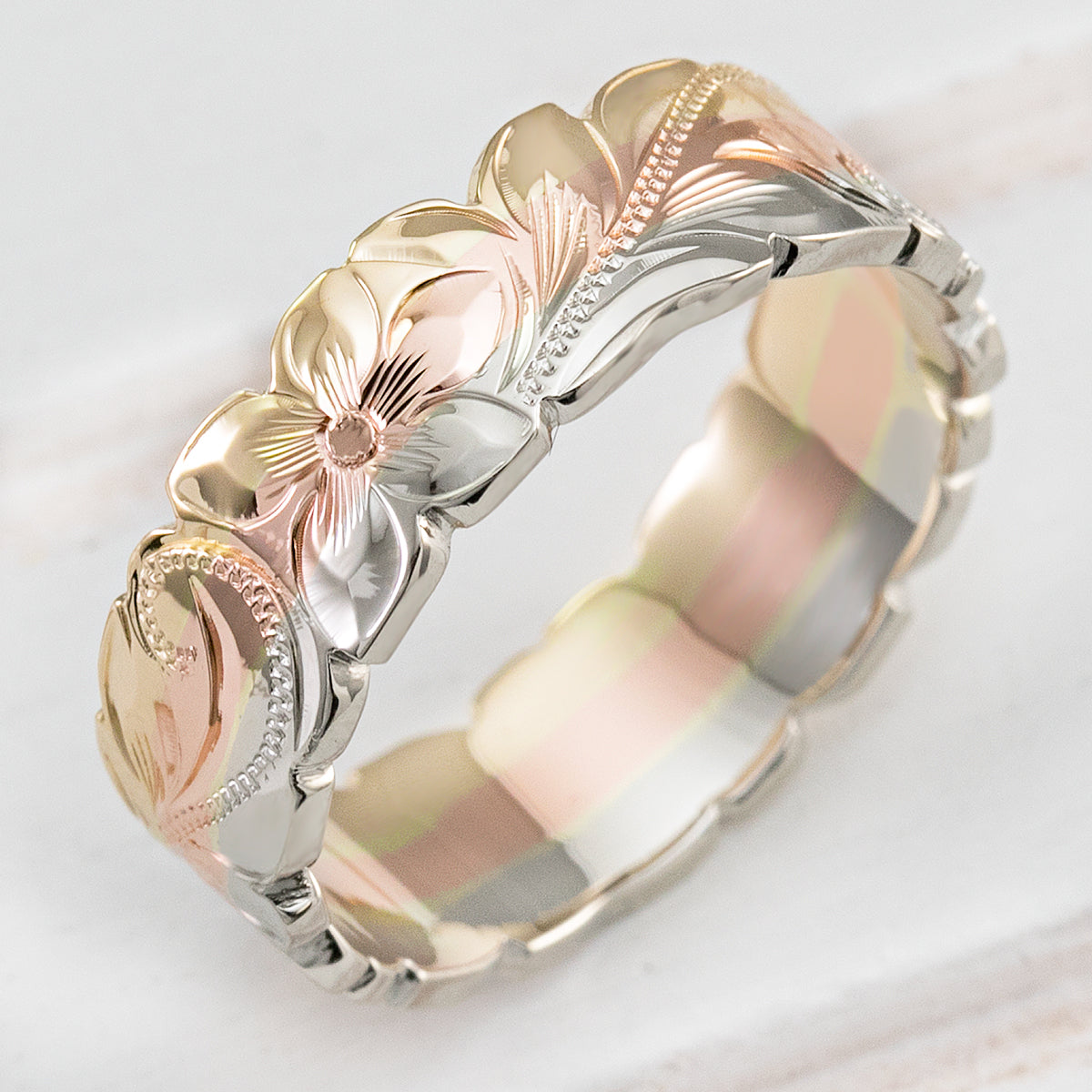
Rose gold gets its color mainly from copper content. Both 14k and 18k rose gold have a pinkish tone, but the intensity depends on purity.
18k rose gold contains 75% gold and more copper, producing a deeper, richer pink with a warm red tint. It looks luxurious and stands out for its distinctive rosy glow.
On the other hand, 14k rose gold has less gold and copper, so its color is usually lighter and more subtle. The pink can seem softer or more pastel. This makes 14k rose gold a good option for those who want the rosy look but with a less intense color and more durability.
Hypoallergenic Properties and Sensitivity
Gold purity and the mix of metals in an alloy can affect how likely it is to cause skin irritation. Some types of gold contain metals like nickel, which may trigger allergies. Choosing the right gold depends on sensitivity levels and the metals used in the alloy.
Allergy Risk Assessment
The risk of an allergic reaction mainly comes from the metals mixed with gold, not the gold itself. For example, 14K gold contains about 58.3% pure gold and 41.7% other metals, including nickel in some cases. Nickel is a common allergen and can cause redness, itching, or swelling. People with metal allergies may react to 14K gold if it has nickel or other sensitive-trigger metals.
In contrast, 18K gold is about 75% pure gold and has fewer alloys. This means it is less likely to cause irritation. Still, some people may react if the alloys include nickel or other metals. Always checking for nickel-free labels can reduce allergen exposure.
Best Option for Sensitive Skin
18K gold is generally a better choice for those with sensitive or allergy-prone skin because it contains more pure gold and fewer added metals. This reduces the chance of irritation and allergic reactions.
However, 14K gold can also be safe if it uses hypoallergenic alloys like palladium instead of nickel. It offers greater durability, which is good for daily wear, but may carry a higher allergy risk if nickel is present.

Style and Aesthetic Choices
Choosing between 14k and 18k gold affects the look and feel of jewelry. The color depth, brightness, and how well the piece matches with gemstones play important roles. These factors help define the style and elegance of each option.
Polish and Shine
18k gold has a richer, deeper yellow color because it contains 75% gold. This makes it appear more luxurious and warm. It holds a high polish well, but because it is softer, it may show scratches over time.
14k gold, with 58.3% gold, has a lighter yellow shade. It can still be polished to a bright shine but is more durable due to the higher amount of other metals. This makes it a practical choice for daily wear without losing its sparkle quickly.
Both types can be finished smoothly, but 14k gold maintains its polish longer in everyday use. 18k gold’s shine may need more care to keep its fresh look.
Matching with Gemstones
18k gold’s warm tone enhances the color of rich gemstones like rubies, emeralds, and sapphires. It offers a strong contrast that makes the stones stand out more.
14k gold’s paler color works well with diamonds and lighter-colored stones. It provides a subtle background that lets these gems shine without overpowering them.
For people who prefer bold, colorful jewelry, 18k gold is often the better complement. Those seeking versatile, everyday wear might prefer 14k gold for easier pairing with many gem types.
Care and Maintenance Tips
Proper care helps keep 14K and 18K gold jewelry looking its best. Cleaning and storing these pieces safely can prevent damage and maintain their shine over time.
Cleaning Guidelines
To clean 14K and 18K gold, use warm water with a mild soap. A soft brush gently removes dirt without scratching the surface. Rinse thoroughly and dry with a soft cloth to avoid water spots.
Avoid harsh chemicals like bleach, chlorine, or strong detergents. These can weaken the metal and damage any stones. For 18K gold, which is softer, extra care during cleaning is important to prevent scratches.
If the piece has a rhodium coating, often found on white gold, it may wear off over time and need reapplication to keep its bright finish.
Storage Recommendations
Gold jewelry should be stored separately to avoid scratches. Using soft pouches or lined compartments keeps pieces from rubbing against each other.
Avoid exposing gold to extreme heat or moisture, which can cause tarnish or discoloration. Keeping jewelry away from direct sunlight also helps preserve its color.
Storing jewelry in a cool, dry place extends its life. Regular checks and gentle cleaning after use reduce buildup and maintain shine.


Choosing Between 14k and 18k Gold
When deciding between 14k and 18k gold, the main factors to consider are durability, color, and budget.
14k gold contains 58.3% pure gold mixed with other metals. This makes it harder and more resistant to scratches or dents. It’s a practical choice for everyday wear, especially for rings and bracelets.
18k gold has 75% pure gold, giving it a richer, warmer color. It looks more luxurious but is softer and may require extra care. This type suits those who want deeper gold tones and don’t wear their jewelry daily.
Here is a quick comparison:
|
Feature |
14k Gold |
18k Gold |
|
Gold Content |
58.3% |
75% |
|
Durability |
More durable |
Softer |
|
Color |
Lighter yellow |
Rich, deep yellow |
|
Price |
More affordable |
Higher cost |
|
Maintenance |
Low |
Requires more care |
People with active lifestyles or jobs that involve hand use may prefer 14k gold for its toughness. Those who prioritize color and value might lean toward 18k gold, accepting the need for careful handling.
Ultimately, the choice depends on personal taste and intended use. Both offer wonderful options for fine jewelry but serve different needs, so find your perfect match with Happy Laulea today!