

Rose Gold vs Yellow Gold: What's the Difference?
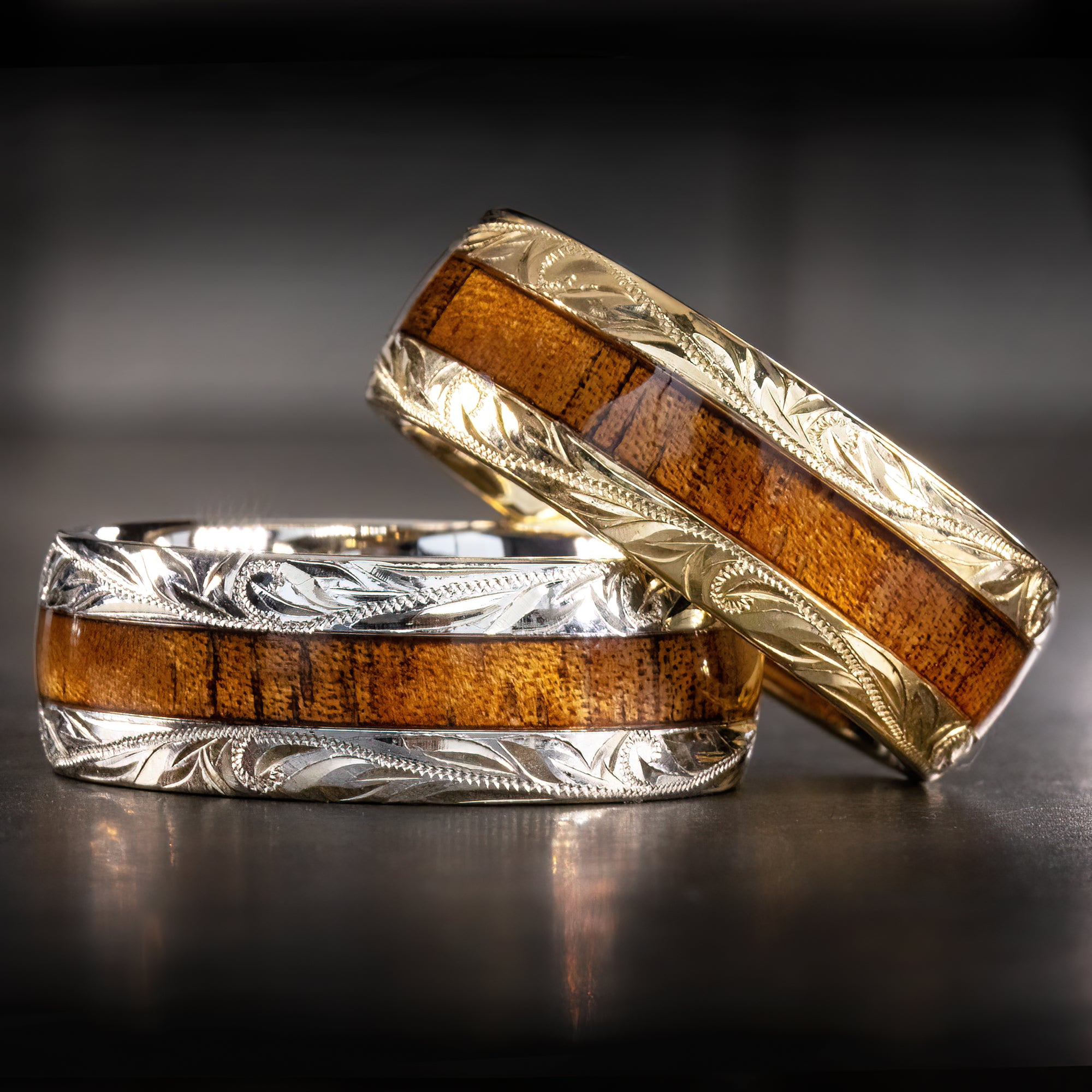
Choosing between rose gold and yellow gold doesn't have to be complicated. Both metals are beautiful and durable options for jewelry, but they have different looks and characteristics that make each one special.
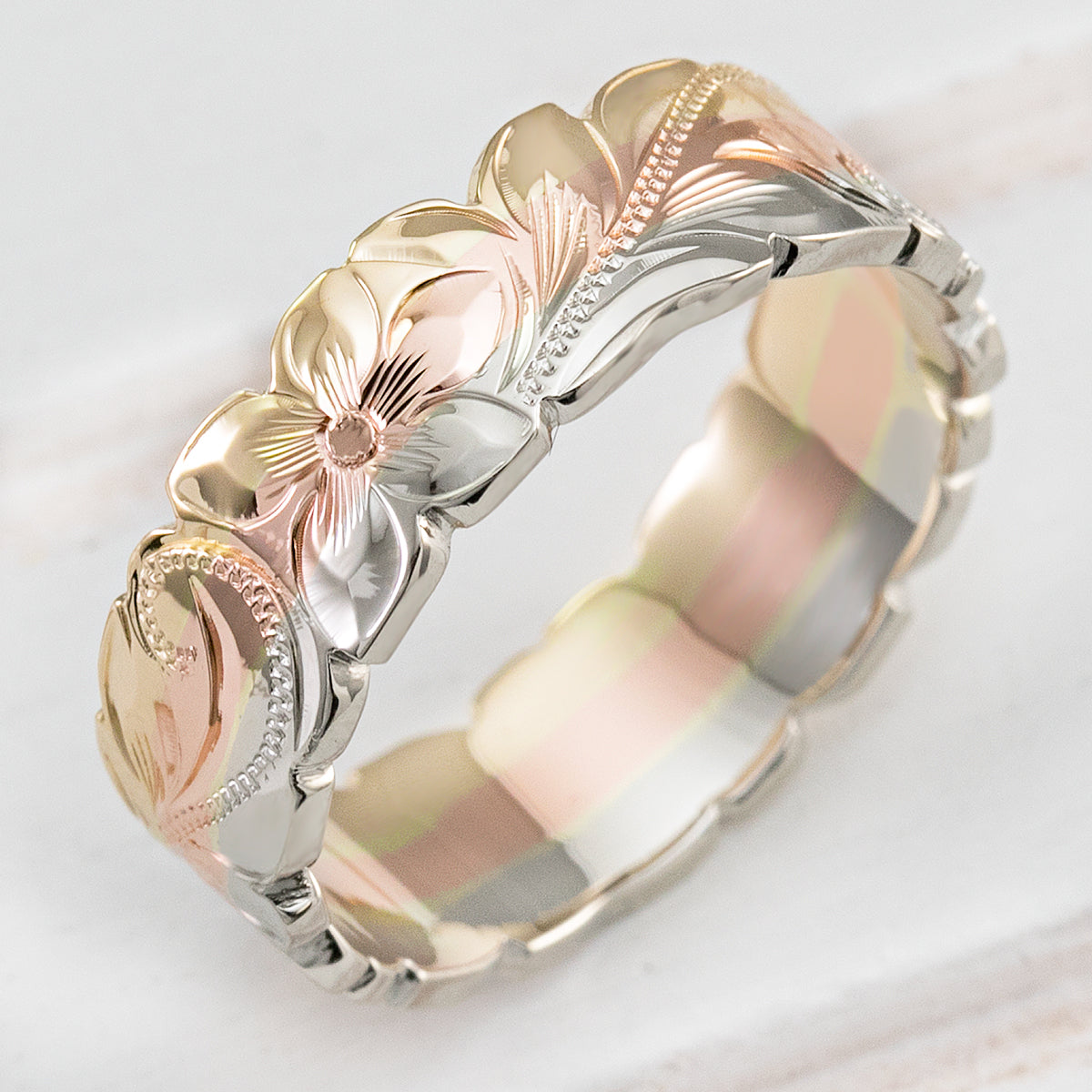
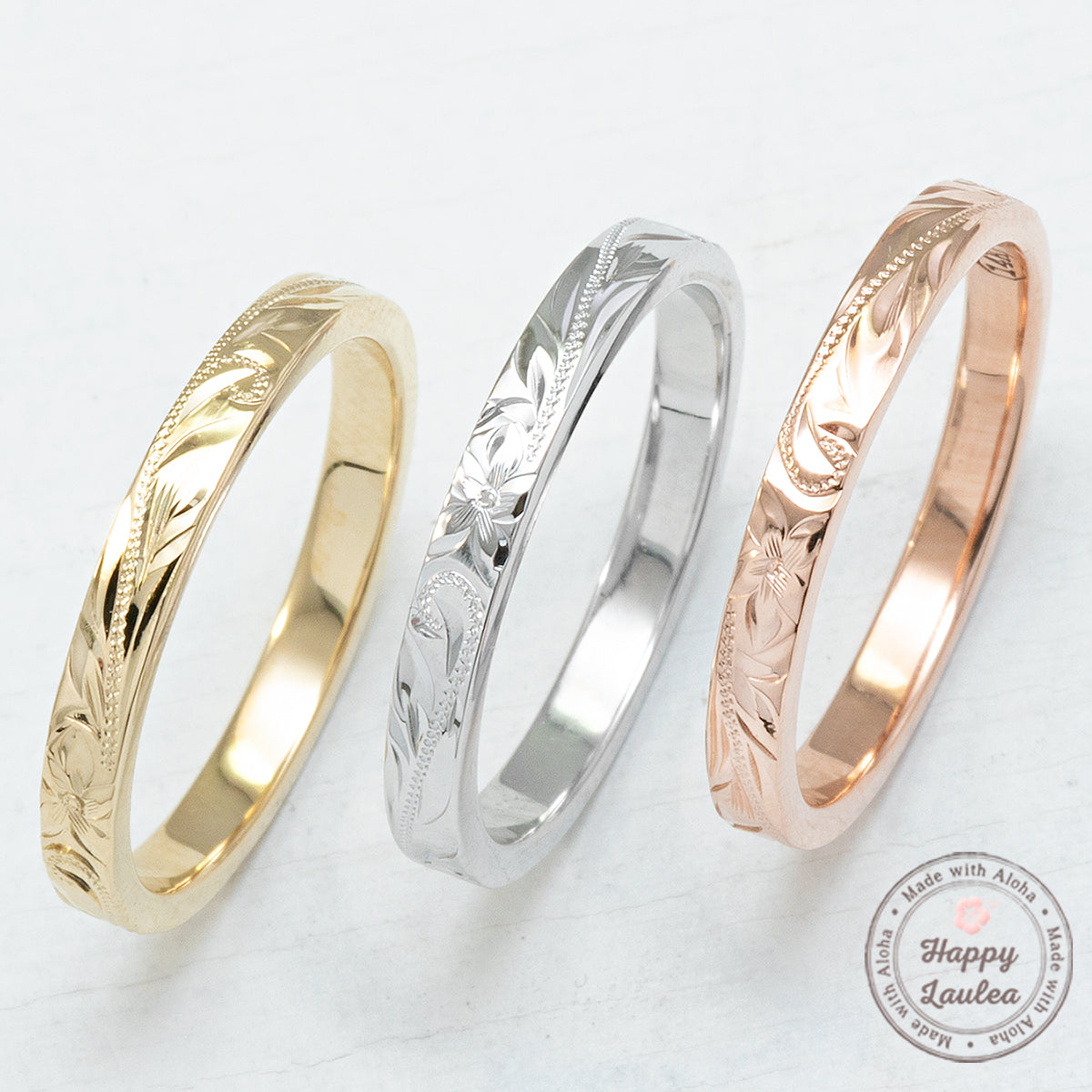
The main difference between rose gold and yellow gold is their color and metal composition—yellow gold has a classic warm tone and is mixed with silver and zinc, while rose gold gets its pinkish color from adding copper to pure gold. Both types of gold are strong enough for everyday wear. They also work well for rings, necklaces, and other jewelry pieces.
We created this guide to help you understand how they look, what they cost, and which one might work best for you.
Visit our rose gold and yellow gold collections to find your perfect match.
Key Takeaways
- Rose gold contains copper which gives it a pink tone, while yellow gold is mixed with silver and zinc for a warm golden color
- Both metals are equally durable and require similar care, though rose gold may be slightly stronger due to the copper content
- The price difference between rose gold and yellow gold is usually small and depends more on gold purity and current market rates than the metal color

Composition and Alloys
Both rose gold and yellow gold start with pure gold but rely on different metal combinations to achieve their distinctive colors and physical properties. The specific metals added to pure gold determine not only the final color but also the durability and characteristics of each gold type.
Base Metals and Alloying Elements
Pure gold is too soft for most jewelry applications, so we mix it with other metals to create stronger alloys. Yellow gold combines pure gold with roughly equal parts silver and copper, along with small amounts of zinc. This mixture preserves gold's natural warm tone while adding strength.
Rose gold uses a different formula. It contains pure gold mixed with a higher percentage of copper and less silver than yellow gold. The increased copper content gives rose gold its pink hue.
For 14k yellow gold, the typical composition is:
- 58.3% pure gold
- 20-25% silver
- 15-20% copper
- Small amounts of zinc
For 14k rose gold, we see:
- 58.3% pure gold
- 30-35% copper
- 5-10% silver
The higher copper ratio in rose gold makes it harder and more scratch-resistant than yellow gold.
Color Formation Mechanisms
The color we see in gold jewelry comes directly from the metal alloys, not from plating or coating. Yellow gold maintains a color close to pure gold because silver and copper in balanced amounts don't dramatically shift the natural yellow tone.
Copper creates rose gold's distinctive pink color through a chemical reaction with the gold atoms. The more copper we add, the stronger the pink or red appearance becomes. Some rose gold pieces contain up to 40% copper for a deeper rose tone.
The metals form a uniform alloy when melted together at high temperatures. This means the color goes all the way through the metal, not just on the surface.
Common Purity Levels
We measure gold purity in karats, with 24k being pure gold. The most common purity levels for both rose and yellow gold are:
| Karat | Gold Content | Durability |
|---|---|---|
| 10k | 41.7% | Most durable |
| 14k | 58.3% | Good balance |
| 18k | 75% | Less durable |
14k offers the best combination of gold content, durability, and value for most jewelry. 18k contains more pure gold but scratches more easily. 10k is the most durable but has less gold content and a lighter color.
Both rose and yellow gold are available in these purity levels. The color difference between them remains consistent across all karat weights.

Appearance and Visual Differences
The most noticeable difference between rose gold and yellow gold lies in their distinct colors. Yellow gold displays a classic warm golden hue, while rose gold shows a pinkish-red tone.
Hue and Tone Comparison
Yellow gold maintains the natural warm golden color that most people associate with pure gold. The exact shade depends on the karat, with 18k yellow gold appearing more vibrant and saturated than 14k yellow gold due to its higher pure gold content.
Rose gold gets its distinctive pink color from copper added to the alloy mix. The more copper in the blend, the redder or pinker the metal appears. 14k rose gold typically contains about 58.3% pure gold and a higher percentage of copper, giving it a more pronounced rosy tone compared to 18k rose gold.
Key color characteristics:
- Yellow gold: Bright, warm, classic golden yellow
- Rose gold: Soft pink to reddish-pink depending on copper content
- 18k versions: More golden/less pink due to higher gold percentage
- 14k versions: More copper-influenced color (more pink in rose gold)
Finishes and Surface Treatments
Both metals accept the same surface treatments, but these finishes affect how each color appears. A polished finish brings out the brightness and reflective qualities in both yellow and rose gold. The high shine makes yellow gold look more vibrant while rose gold displays a warmer glow.
Matte or brushed finishes create a softer, more subdued appearance. Yellow gold with a matte finish looks less bright but maintains its golden character. Rose gold in a matte finish emphasizes its pink undertones and creates a vintage aesthetic.
Hammered and textured finishes work well on both metals and add visual interest through light reflection patterns.
Impact of Lighting on Color
Natural daylight shows the truest colors of both metals. Yellow gold appears bright and golden in sunlight, while rose gold displays its pink tones clearly.
Indoor lighting changes how we perceive these metals. Warm incandescent lights make yellow gold look richer and deeper. Rose gold can appear more coppery under these same warm lights.
Fluorescent or cool LED lighting tends to wash out yellow gold slightly, making it look paler. Rose gold maintains its pink character better under cooler lighting conditions but may appear less warm overall.
Durability and Care


Rose gold contains copper, which makes it harder and more resistant to damage than yellow gold. Yellow gold includes silver or copper in smaller amounts, making it softer and more prone to scratches over daily wear.
Resistance to Scratching and Tarnishing
Rose gold's copper content gives it natural strength. An 18k rose gold ring will show fewer scratches than an 18k yellow gold ring after months of daily wear. The higher the copper percentage, the stronger the metal becomes.
Yellow gold scratches more easily because it contains more pure gold, which is a soft metal. However, it maintains its color better over time. The gold doesn't tarnish or change color, even after years of wear.
Rose gold can develop a darker patina as it ages. The copper in the alloy reacts with air and skin oils. Some people like this aged look, while others prefer the original bright color. Neither metal will rust or corrode under normal conditions.
Durability by Karat:
| Gold Type | Scratch Resistance | Color Stability |
|---|---|---|
| 14k Rose Gold | High | Moderate (may darken) |
| 18k Rose Gold | Moderate-High | Moderate (may darken) |
| 14k Yellow Gold | Moderate | High |
| 18k Yellow Gold | Low-Moderate | High |
Maintenance and Cleaning Tips
We recommend cleaning both rose and yellow gold with warm water and mild dish soap. Use a soft brush to remove dirt from settings and crevices. Rinse thoroughly and dry with a lint-free cloth.
Rose gold needs gentler cleaning methods. Avoid harsh chemicals like chlorine or bleach, which can darken the copper. Remove rose gold jewelry before swimming or cleaning.
Yellow gold tolerates stronger cleaners better. You can use commercial jewelry cleaners designed for gold without worry. Store both types separately in soft pouches to prevent scratching.
Professional polishing removes scratches from both metals. Yellow gold can be polished more frequently without losing metal. Rose gold loses its surface copper layer with heavy polishing, which can slightly change its color over time.

Hypoallergenic Properties and Skin Sensitivity
Yellow gold contains fewer alloy metals that trigger skin reactions, while rose gold's higher copper content can cause problems for some wearers.
Nickel Content Overview
Yellow gold typically doesn't contain nickel, especially in 18K or higher karats. This makes it naturally hypoallergenic for most people. The metal composition relies on silver and copper in smaller amounts to strengthen the gold while keeping the warm yellow color.
Rose gold gets its distinctive pink tone from a higher percentage of copper in the alloy mix. An 18K rose gold piece contains about 75% pure gold and 25% copper and other metals. While copper rarely causes allergic reactions compared to nickel, it still poses more risk than yellow gold's composition.
White gold presents different concerns because manufacturers often add nickel to create the silvery appearance. However, this isn't relevant when comparing rose and yellow gold specifically.
Karat comparison for alloy content:
- 14K gold: 58.3% pure gold, 41.7% other metals
- 18K gold: 75% pure gold, 25% other metals
- 22K gold: 91.7% pure gold, 8.3% other metals
Allergic Reactions in Jewelry Wearers
We see fewer allergic reactions with yellow gold because it contains minimal reactive metals. People with sensitive skin can usually wear 18K yellow gold without experiencing redness, itching, or irritation.
Rose gold causes reactions in some wearers due to its copper content. Symptoms include skin discoloration, rashes, or mild irritation at the contact point. These reactions are less common than nickel allergies but still occur.
If you have known metal sensitivities, test rose gold jewelry on a small skin area before purchasing an expensive piece. Higher karat rose gold (18K versus 14K) contains more pure gold and less copper, which reduces reaction risk. Yellow gold remains the safer choice for anyone with a history of jewelry allergies.

Pricing Factors and Market Trends
The cost difference between rose gold and yellow gold depends mainly on their alloy mixtures and current market demand rather than the gold content itself. Both metals contain the same amount of pure gold at identical karat weights, but other elements affect their final price tags.
Influence of Alloy Ingredients
Rose gold and yellow gold share the same pure gold content at matching karat levels. An 18k piece of either color contains exactly 75% pure gold, while 14k versions hold 58.3% gold.
The remaining metals create the color differences. Yellow gold uses silver and zinc to maintain its traditional golden appearance. Rose gold gets its pinkish tone from copper, which costs less than silver or zinc.
Common Alloy Compositions:
| Metal Type | Pure Gold | Copper | Silver | Zinc/Other |
|---|---|---|---|---|
| 14k Yellow Gold | 58.3% | 10-15% | 15-20% | 10-15% |
| 14k Rose Gold | 58.3% | 30-35% | 5-10% | 5-10% |
The actual material cost stays nearly identical between the two. Most jewelers don't charge differently based on the alloy alone. We see price variations come from design complexity, brand positioning, and manufacturing processes instead.
Popularity in Fine Jewelry
Market demand shifts pricing more than material costs do. Rose gold gained strong popularity in 2015 and has maintained steady appeal through 2026. This sustained interest keeps rose gold pieces competitively priced with yellow gold options.
Yellow gold represents the traditional choice and holds consistent demand across generations. Older buyers often prefer its classic look, while younger shoppers split between both options based on personal style.
Designer brands sometimes price rose gold higher due to trend positioning. We notice independent jewelers typically charge the same for both metals when comparing identical designs and karat weights. The weight, craftsmanship, and gemstones determine final costs more than the metal color.
Resale Value Considerations
Both metals hold similar resale values when melted down since they contain identical gold percentages. A 14k yellow gold ring and a 14k rose gold ring fetch the same scrap gold price based purely on weight.
The secondary market for intact jewelry pieces depends on current style preferences. Yellow gold maintains more stable long-term value due to its classic status. Rose gold's resale appeal fluctuates with fashion trends.
We find that well-made pieces in either metal retain value when sold to collectors or through vintage markets. The design quality, brand reputation, and condition matter more than the metal color for pieces kept intact.
Frequently Asked Questions
Both rose gold and yellow gold have unique qualities that suit different preferences, budgets, and lifestyles. Here are answers to common questions about durability, cost, and care for these two popular gold options.
Is rose gold or yellow gold better?
Neither rose gold nor yellow gold is objectively better. The choice depends on your personal style and skin tone.
Rose gold works well with cool skin tones that have pink or blue undertones. Yellow gold typically looks better on warm or dark skin tones.
Rose gold has a modern, romantic look that became popular in recent years. Yellow gold offers a classic, traditional appearance that has been valued for centuries.
Both metals have similar durability when made with the same karat purity. The copper content in rose gold can make it slightly harder than yellow gold.
Is rose gold more expensive than gold?
Rose gold and yellow gold cost about the same when they contain the same amount of pure gold. A 14k rose gold ring and a 14k yellow gold ring have similar prices.
The price depends mainly on the gold content, not the color. Both metals use the same percentage of pure gold mixed with different alloy metals to create their color.
The copper and silver added to make rose gold cost roughly the same as the metals used in yellow gold. Market prices for both options stay close to each other.
What are the disadvantages of rose gold?
Rose gold can cause skin reactions in people with copper allergies. The copper alloy that gives rose gold its pink color may irritate sensitive skin.
The color of rose gold can fade over time as the copper oxidizes. This change happens slowly but may require re-plating to restore the original pink tone.
Rose gold is less traditional than yellow gold, which some people prefer for engagement rings or heirloom pieces. It may not suit everyone's taste or match all jewelry collections.
The trendy nature of rose gold means it might look dated in future years. Yellow gold has remained popular across different time periods.
Can I shower with 14k rose gold?
We recommend removing 14k rose gold jewelry before showering. Water itself won't harm the metal, but soap, shampoo, and other products can build up on the surface.
The chemicals in shower products can dull the shine of rose gold over time. Hot water can also loosen prongs or settings in rings and other jewelry pieces.
Taking off your rose gold jewelry helps it last longer and stay cleaner. Store it in a dry place when not wearing it to maintain its appearance.